

Youth drinking on the rise in Ireland
Alcohol Action Ireland (AAI), the national independent advocate to reduce alcohol harm, has published a new and dial-moving report into youth drinking in Ireland, ‘Youth drinking in Ireland: What’s the real picture?’.

While drinking among young people aged 15–24 declined from the mid-2000s to the mid-2010s, since 2015 that downward trend has been reversing
The report, which draws on data from national and international sources, highlights considerable improvements in some respects, including an increase in the average age at which young people start drinking and an improvement in Ireland’s position compared to EU averages.
However, while drinking among young people declined from the mid-2000s to the mid-2010s, the downward trend has reversed since 2015, with consumption by 15- to 24-year-olds increasing from 66% in 2018 to 75% in 2024.
What is also clear is that when drinking is initiated, it is accompanied by high levels of hazardous consumption – 64% regularly binge drink, and one in three young drinkers has an Alcohol Use Disorder.
AAI CEO Dr Sheila Gilheany said: “In recent years, a narrative has emerged that youth drinking is perhaps no longer an issue in Ireland.
“However, a close analysis of the facts indicates that alcohol remains Ireland’s largest drug problem both for young people and the wider population, with significant health impacts such as rising levels of alcohol-related hospitalisations among young people and tragically half of young driver fatalities having an alcohol component.
“It is the norm in Ireland for underage drinking, with 50,000 children starting to drink annually, with consequent impact on their current and future health.
“This is not surprising given the saturation levels of alcohol marketing to which they are exposed, particularly online.
“Fundamentally, this is a breach of children’s rights under the United Nations Convention on the Rights of the Child.
“Alcohol is one of the most heavily marketed products with the annual spend on alcohol marketing conservatively estimated at €115 million in Ireland alone.
“Alcohol is not a staple, it is not a necessary purchase, therefore a market must be created for it – and new drinkers must be recruited to create and expand that market.
“Young people are an important market for the alcohol industry in this regard.
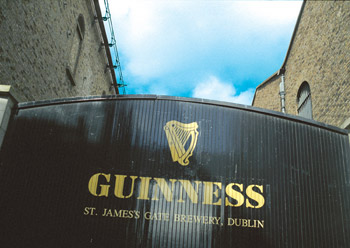
“It is little wonder that Diageo, the multinational alcoholic beverage company, is the number four broadcast advertiser to children in Ireland. Furthermore, a lacuna in the law has allowed alcohol companies to use zero-alcohol products with identical branding to the master brand to circumvent the advertising restrictions in the Public Health (Alcohol) Act (2018) (PHAA).
“The role of alcohol marketing in encouraging, normalising and glamourising alcohol consumption among young people cannot be underestimated as a contributing factor to increasing levels of youth drinking.
“The international literature is clear – the greater the level of exposure to, or engagement with, alcohol marketing, the more likely young people are to drink alcohol.”
Prof Bobby Smyth, clinical professor, Dept of Public Health & Primary Care, TCD said: “We’ve seen some evidence of a slight delay in onset of drinking by Irish children but the pattern of drinking tends to be high risk once drinking does start.
“There is still a hard core of parents who insist that providing alcohol to their 15- and 16-year-old children is a good idea in spite of the evidence that it is in fact harmful, but the number of parents who recognise the folly of this permissive approach is growing.
“The unrelenting exposure of children to alcohol advertising and sponsorship does though mean that parents who do the right thing are swimming against a tide of more negative influence.”