





Ireland’s alcohol excise burden under scrutiny
RTÉ has reported that Irish consumers face the second-highest combined excise duty burden on alcohol across the EU and UK, according to new research commissioned by the Drinks Industry Group of Ireland (DIGI).
Beer in Ireland attracts the third-highest excise duty rate in the EU and UK
The research, carried out by economist and Dublin City University (DCU) associate professor Emeritus Anthony Foley, compares alcohol excise rates across European markets and comes as the drinks industry continues to call for a reduction in Ireland’s alcohol taxation ahead of Budget 2027.
Ireland ranks behind only Finland for combined alcohol excise duty, despite alcohol consumption in Ireland having fallen towards broader European averages.
DIGI is calling on Government to introduce an immediate 10% reduction in alcohol excise duty, arguing that Ireland’s current rates place pressure on consumers, pubs, hospitality businesses and drinks producers.
The research highlights significant differences between Ireland and other European markets.
Beer
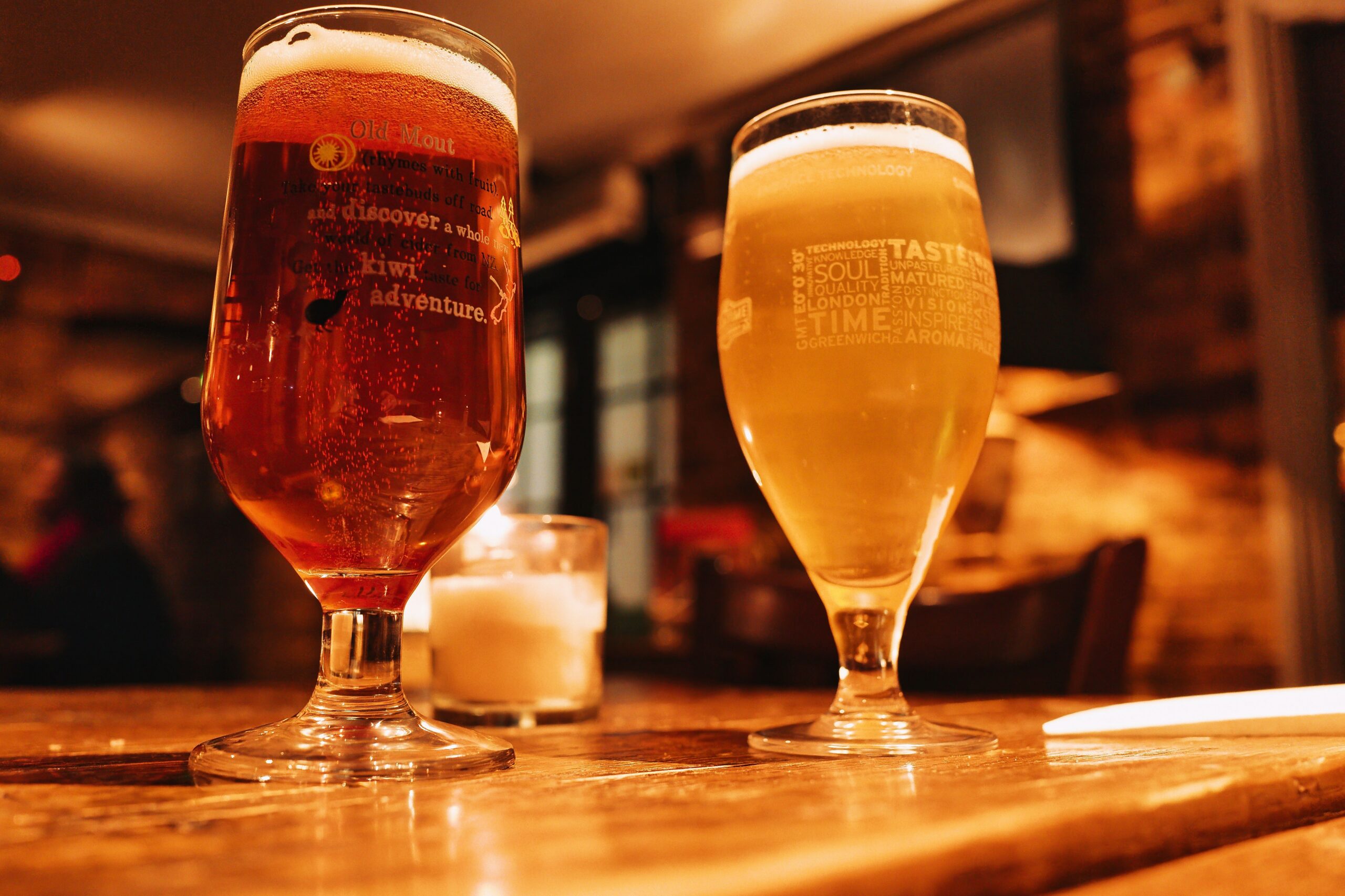
Beer in Ireland attracts the third-highest excise duty rate in the EU and UK.
The research calculates that excise duty on a pint of beer in Ireland is approximately €0.55, compared with around €0.05 in Spain and Germany.
The difference is particularly significant for the hospitality sector, where beer remains a key part of the pub and restaurant offering.
DIGI argues that the level of taxation contributes to the cost pressures facing licensed premises, at a time when businesses are already dealing with higher operating costs.
Wine
Ireland has the second-highest excise duty on wine among the EU and UK markets examined.
The research found that an €11 bottle of wine carries approximately €3.19 in excise duty in Ireland.
Fourteen European countries impose no excise duty on wine, highlighting the significant difference between Ireland and other markets.
Spirits
Spirits are also subject to significantly higher taxation in Ireland compared with many European markets.
The research found that a 70cl bottle of Irish whiskey carries €11.92 in excise duty, compared with €2.69 in Spain. Ireland has the third-highest spirits excise burden across the EU and UK.
The findings come as the drinks sector continues to argue that alcohol taxation has become disproportionate to consumption levels.
Ireland’s alcohol excise rates have remained unchanged for more than a decade. Government figures note that there has been no general increase in alcohol excise duty rates since 2014.
However, the absence of increases has not translated into lower prices for consumers, with wider costs, inflation and VAT continuing to influence retail and hospitality prices.
DIGI said the latest research demonstrates that Ireland’s taxation of alcohol remains out of step with European norms.
Donall O’Keeffe, secretary of DIGI and chief executive of the Licensed Vintners Association (LVA), has argued that high alcohol taxes are placing additional pressure on Ireland’s pub and hospitality sectors.
He said alcohol consumption in Ireland is now broadly at average European levels, questioning the continued reliance on high excise taxation as a policy measure.
The industry group is now seeking a 10% reduction in alcohol excise duty in Budget 2027, arguing that a reduction would provide support for pubs, hospitality businesses, drinks producers and consumers.
The call comes alongside competing demands on Government over alcohol taxation.
Alcohol Action Ireland has called for the opposite approach, urging Government to increase alcohol excise duties by at least 15% in its pre-Budget submission.
The organisation argues that alcohol excise duties have not kept pace with inflation and that their public health impact has therefore been reduced in real terms.
The competing positions are likely to make alcohol taxation a significant issue in the run-up to Budget 2027.
For the drinks industry, however, the latest international comparison provides further evidence for its argument that Irish alcohol taxation is exceptionally high by European standards.
The research also highlights the gap between Ireland’s tax rates and those applied in major drinks-producing and consuming markets elsewhere in Europe, with particularly stark differences for wine and spirits.
Government has yet to commit to a reduction in alcohol excise duty, leaving the industry waiting to see whether Budget 2027 will bring a change to the current taxation regime.
Revenue’s current Alcohol Products Tax rates include €42.57 per litre of alcohol for spirits, while beer and wine are taxed according to their category, strength and volume.
With DIGI now pressing for a 10% reduction and public-health advocates calling for a substantial increase, alcohol excise is set to remain a key point of debate as preparations for Budget 2027 continue.