





A hard-working Kitchen
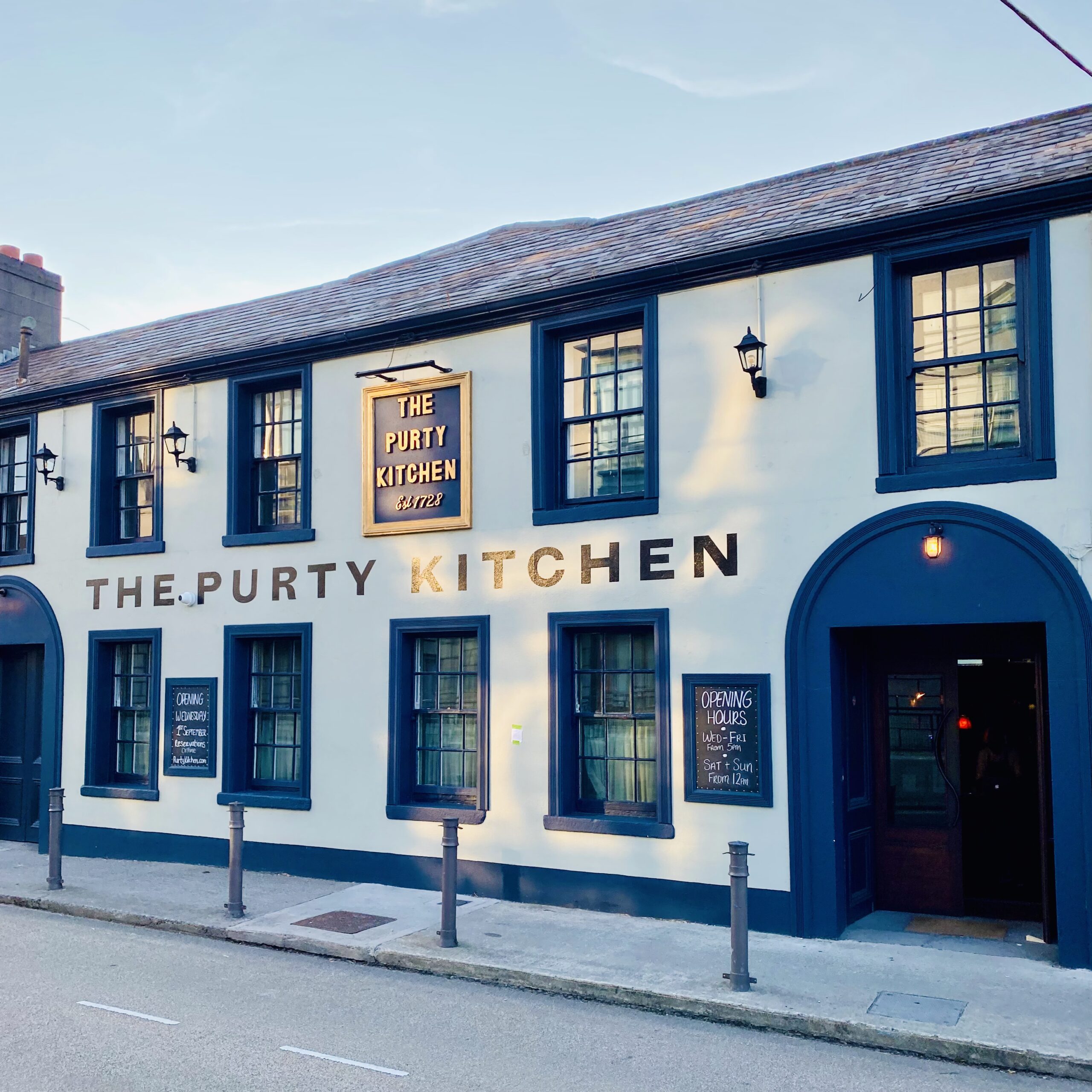
The Purty Kitchen in Dún Laoghaire offers guests great food, service and entertainment under one roof
A stone’s throw from the Dart line in Dún Laoghaire, Co Dublin, The Purty Kitchen has long been a landmark for food, drink, and live music. Today, under the stewardship of Mark Heather and James Burgess, it represents something more: a case study in how Irish pubs can adapt to shifting consumer habits, soaring costs, and an increasingly complex trading environment.
Mark’s business partner James is originally from Manchester and has vast experience in the hospitality industry having worked for Diageo, The Wright group and Nolaclan. When Mark and James took over the lease during the depths of the Covid lockdown, they inherited not just a building but a legacy. “It felt like the whole place was ours,” Mark recalls. “From the design to the fitout to the way we wanted to run it.” They reopened in 2021 with just a handful of staff, €9,000 in gross sales in the first week, and a long-term vision for success.
From nightclubs to consultancy
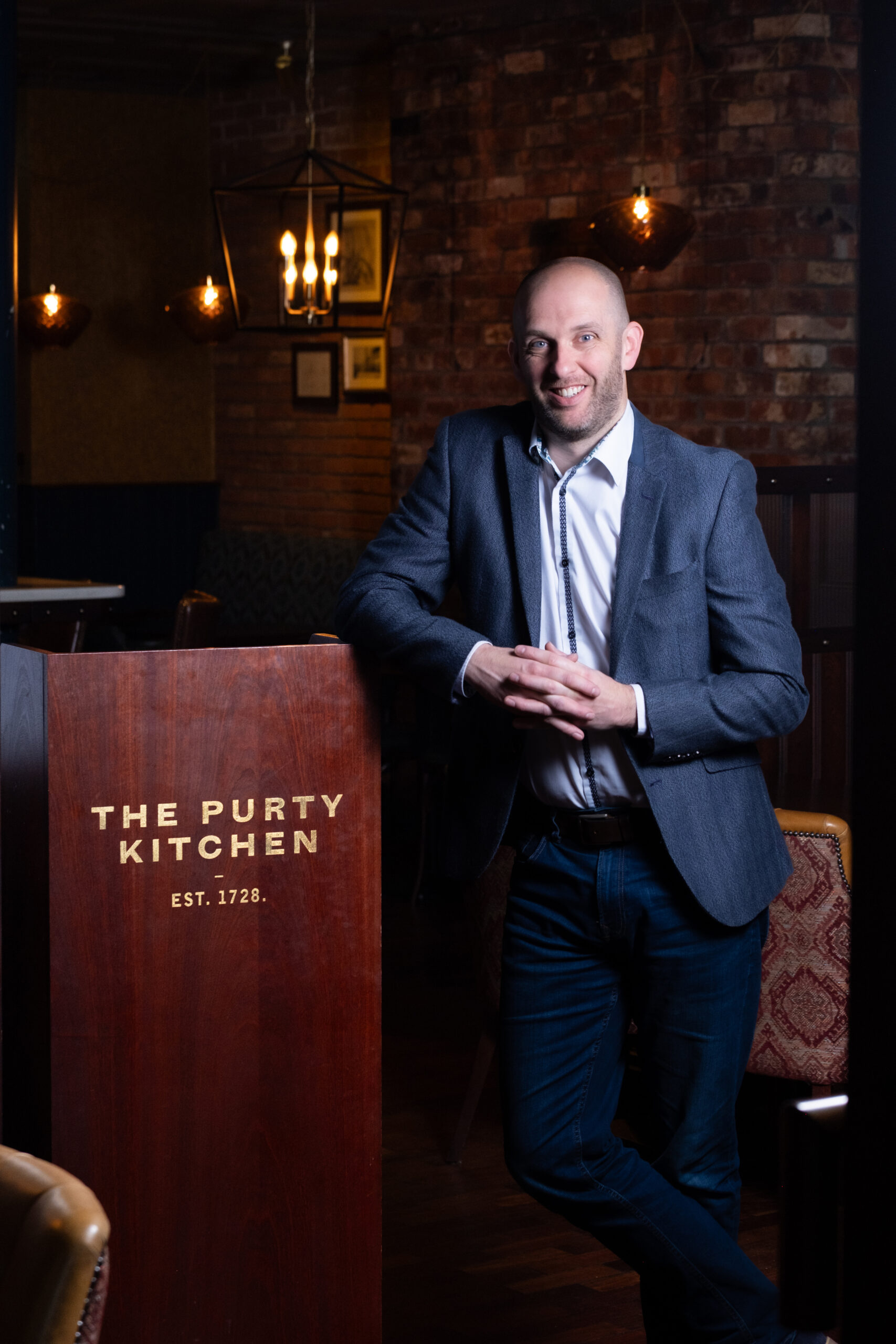
Mark Heather, co owner of The Purty Kitchen
Mark’s career trajectory mirrors the industry itself, unpredictable, fast-moving, and grounded in resilience. He cut his teeth in nightclubs like Club M in Temple Bar, eventually managing the venue before moving into consultancy during the 2008 crash.
“Consultancy gave me a new dynamic,” he says. “You were dealing with banks, professional services, and distressed pubs all at once. It was administratively heavy, but I liked the numbers side and I got to marry that with working in bars.”
At one point, Mark and his team were running up to 17 pubs across Cork, Dublin, Limerick, Longford, and Kildare. That period not only sharpened his operational skills but also gave him an intimate understanding of financial reporting, cost structures, and the realities of keeping pubs viable under pressure. It’s a skill set that has proven invaluable at The Purty Kitchen.
Relaunching The Purty Kitchen
When the opportunity came in 2018 to reshape The Purty Kitchen, Mark was tasked with bringing a concept-to-completion vision to life. The idea was simple: respect the building’s history while creating a modern, multi-purpose venue. Upstairs would return as a hub for live music and comedy, while downstairs would focus on food and community occasions.
Before Covid hit, the venue reopened to strong acclaim, only to close weeks later. But the crisis also created opportunity. When the landlord decided to step back, Mark and James seized the chance to take on the long-term lease.
Today, The Purty Kitchen is thriving with four full-time managers, three chefs, three kitchen porters, and a steady roster of part-time staff. Music and comedy remain central: 60–70 gigs a year, 20 comedy nights, plus weddings and family events. But the critical difference is balance.
“In the old days, people came for the gig upstairs and the downstairs trade suffered,” Mark explains. “Now, we’ve designed it so both complement each other. Customers come for food and drinks, then head upstairs. On Sundays, matinee shows like Steely Dan tributes bring in 200-plus people and half of these will stay for food after.
Food, pricing, and the premiumisation dilemma
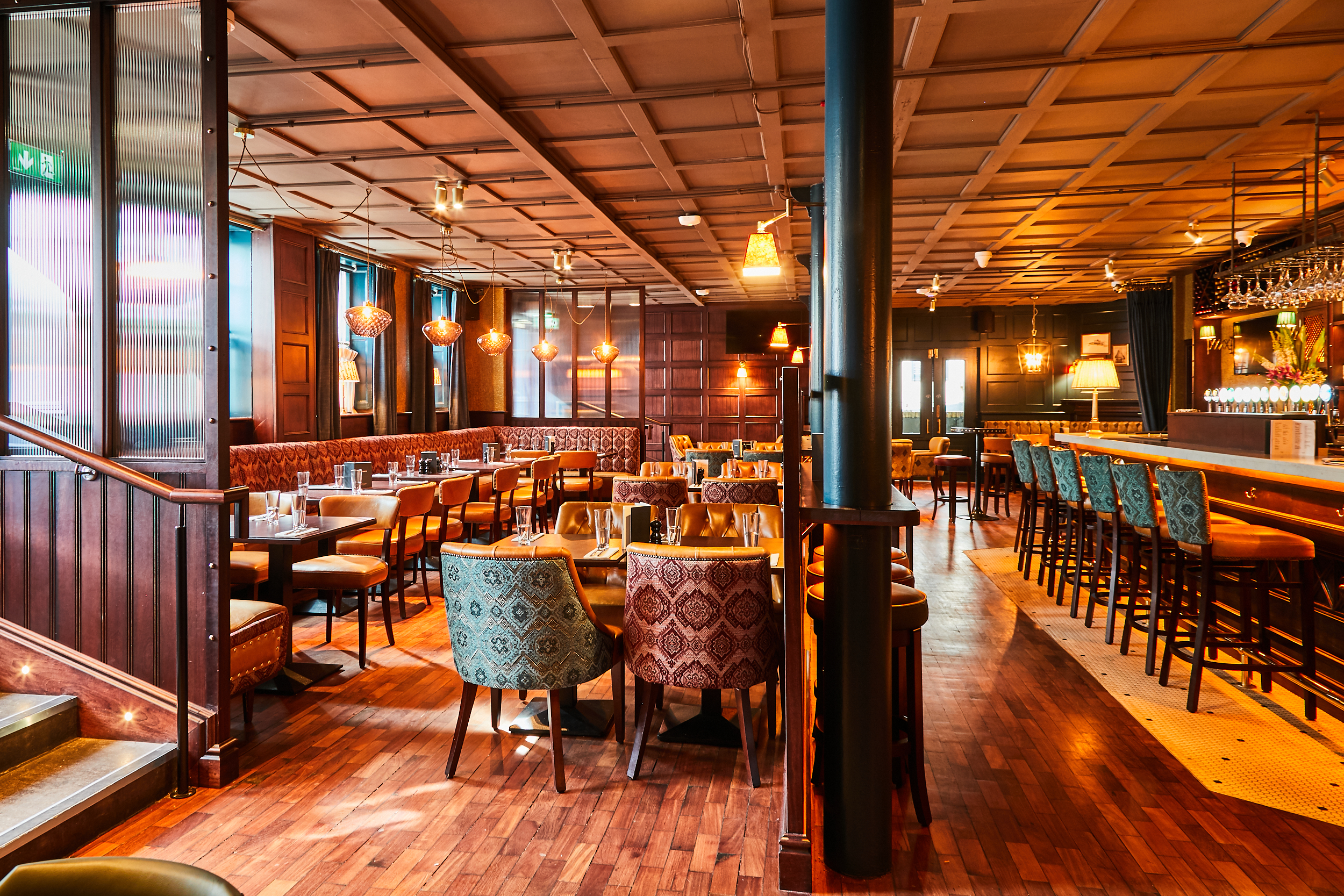
The cosy interior of The Purty Kitchen where guests return time and time again for the great food and service
No issue looms larger for publicans today than food costs. The Purty Kitchen’s experience reflects the broader trend of premiumisation,
where quality is rising, but so are prices.
Mark points to the fillet steak as an example. “Two months ago it was €39.50. We switched supplier to Rick Higgins Butchers in Sutton, and the quality was fantastic. But to make it work, we had to go to €44. We were tearing our hair out but then sales went up. People are willing to pay if the product justifies it.”
The strategy is rooted in psychology as much as pricing. By maintaining a few high-value items, other menu options show good value, while still signalling quality. “There’s talk of some places taking beef off menus altogether,” Mark says. “But if you deliver value across the offering, it shouldn’t be a problem. It’s about positioning.”
Managing volatility requires constant vigilance. The team now reviews purchase prices bi-weekly, compared to quarterly just a few years ago. “Beef and seafood move all the time. You can’t wait to react,” Mark says.
Sustainability meets technology
Beyond pricing, The Purty Kitchen has placed sustainability at the heart of its operations, not as a marketing slogan but as a set of small, practical changes that add up.
Menus are updated quarterly to avoid unnecessary reprints. Wooden bill presenters, handmade by a Ukrainian family, replaced disposable postcards. LED lighting and fridge timers cut electricity usage, while fridges are powered down every Monday and Tuesday when the pub is closed. “That’s 70–80 hours a week of savings, thousands of hours a year,” Mark says.
On the technology front, handheld ordering systems have streamlined service. Previously, an average interaction with a table took four minutes – 2.5 of which were spent in transit to and from terminals. Now, staff can place drink orders instantly, freeing time for guest engagement. “The earlier you get them their drink, the more likely they are to order a second. No one wants an empty glass in front of them.”
The impact is tangible: wine, dessert, and side sales have all risen, thanks to staff spending more time at the table rather than behind a till.
Staff and culture

The outdoor dining area in The Purty Kitchen. Mark and James added this area after they took over the long term lease during Covid
For Mark and James, the core of the business is about people. “We honestly have the nicest staff,” Mark says. “We hire nice people first, and they can learn the rest. We never script how they speak to customers because we want them to use their own personality. That way, they’re authentic, and customers notice.”
Reviews frequently name-check staff, while repeat customers often request specific servers. Retention is supported through small but meaningful initiatives: free staff meals, nights out, bottled water provided free with the recycling credits reinvested into sanitary products for the bathrooms.
“It’s about sweating the small things,” Mark explains. “If you manage costs properly, you can invest back into people. That makes the difference.”
Policy, VAT, and the call for certainty

The upstairs space in The Purty Kitchen where music and comedy gigs keep the punters pouring in
Mark feels strongly about how the government treat small business owners and feels that not enough is done to support them. What publicans crave most, he says, is stability. “We employ over 25 people. We pay huge VAT and payroll taxes. All we want is some level of certainty. Global firms can cut jobs overnight, but we’re here creating local employment. The challenges shouldn’t be coming from our government.”
The recent VAT shifts and ongoing wage debates, he argues, risk missing the bigger picture.
“I think food and accommodation VAT should be decoupled. There’s precedent in other countries. Temporary energy supports are just kicking the can down the road.”
On wage increases, Mark is pragmatic but critical of the rationale. “I don’t mind minimum wage going up. But if it’s being used as a solution to housing costs, that’s not going to work as it just pushes up retail prices. We need structural solutions, not band-aids.”
Still buzzing after 27 years
For all the challenges, Mark’s passion for the trade remains undimmed. “I worked last night and I went home buzzing,” he says. “I was hyper. After 27 years, the interaction with people and your team can still be so rewarding.”
The Purty Kitchen stands today not only as a thriving pub-restaurant but as a microcosm of the sector’s broader evolution. It blends tradition with modernity, music with dining, sustainability with technology, and people-first culture with financial discipline.
For an industry still recalibrating after Covid, soaring costs, and shifting consumer habits, the message from Dún Laoghaire is clear: adaptability, investment in people, and a focus on long-term sustainability are not just survival strategies, they are the future of Irish hospitality.