






Vineyards under threat from solar energy
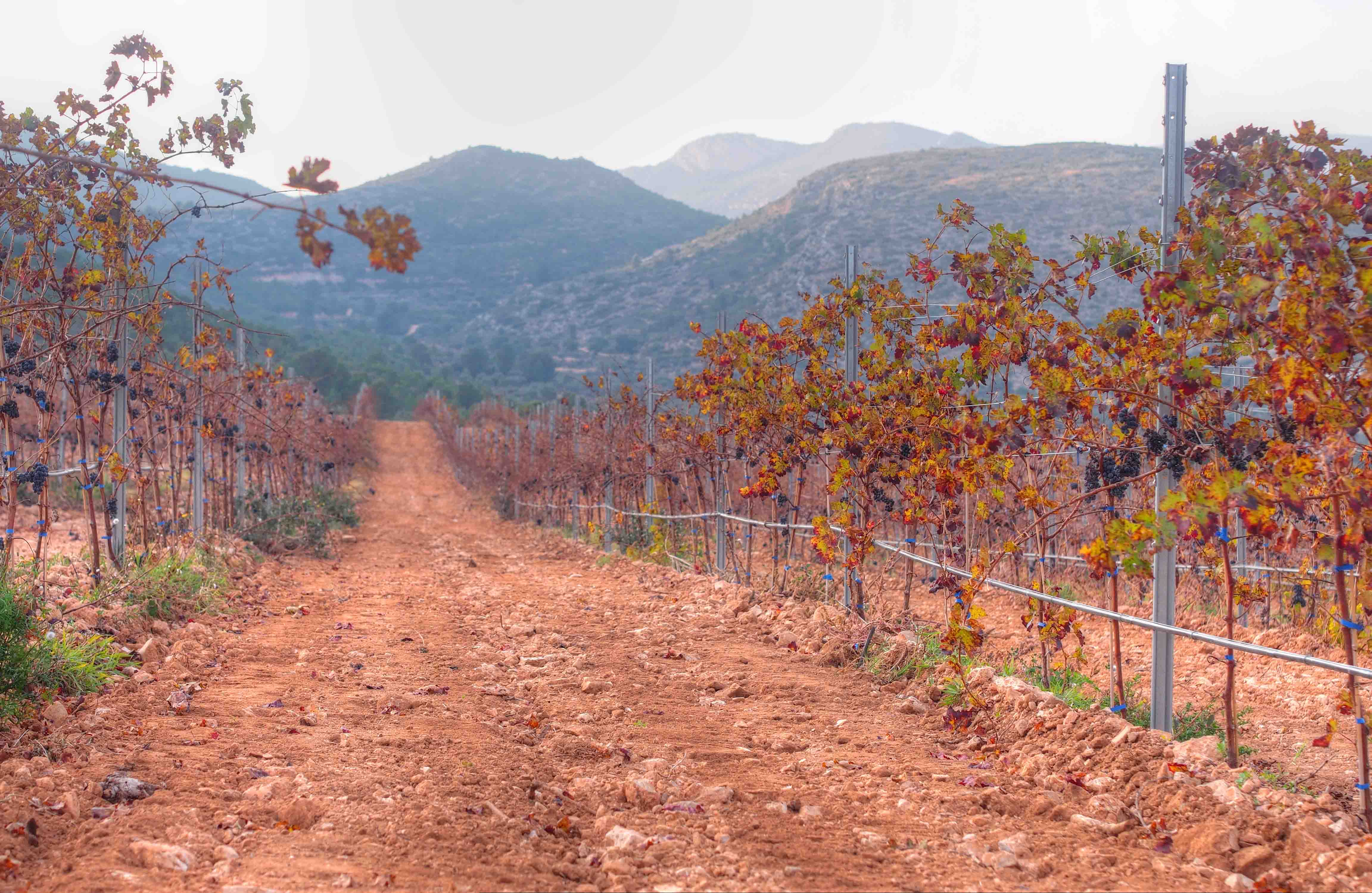
The pace of expansion of solar energy projects in Spain’s D.O. Toro region is putting pressure on Europe’s oldest vineyards.
The issue was highlighted by representatives from Bodega Numanthia, who warned that financial incentives for renewable energy developments are encouraging landowners to replace historic vineyards with solar panel installations.
Located in Zamora in the Castile and León region, Toro is renowned for its ancient ungrafted Tempranillo vines, known locally as Tinto de Toro. Many of the vineyards pre-date the phylloxera epidemic that devastated European vineyards in the 19th century, with some vines estimated to be as old as 200 years.
Speaking to The Drinks Business Daily News in London, estate director Julio Rodriguez and head winemaker Jesús Jiménez said the economic appeal of solar energy is becoming difficult for growers to ignore.
The winery’s flagship wine, Termanthia, is produced from ungrafted vines with an average age of 120 years. Rodriguez stressed that these old vineyards have survived for centuries because of the quality of the wines they produce, rather than simply because of their age.
However, the economics of farming in remote rural areas are changing rapidly. According to Rodriguez, vineyard owners may earn around €700 per hectare from grape production in a strong year, while solar companies are offering rental agreements worth approximately €2,000 per hectare annually over 20-year contracts.
The scale of the change is already significant. Rodriguez claimed that while D.O. Toro currently spans around 5,500 hectares of vineyards, approximately 2,000 hectares around the town of Toro have been converted to solar developments over the past five years.
Many landowners no longer live in the area, while older growers are increasingly attracted by the financial security offered through long-term leasing agreements. Rodriguez acknowledged the difficult position many face, noting that solar income can provide vital retirement support for ageing rural populations.
Despite the environmental benefits associated with renewable energy, producers fear the loss of these ancient vineyards could permanently damage one of Spain’s most historic wine regions.