



Reimagining the Dublin pub experience in the heart of the city
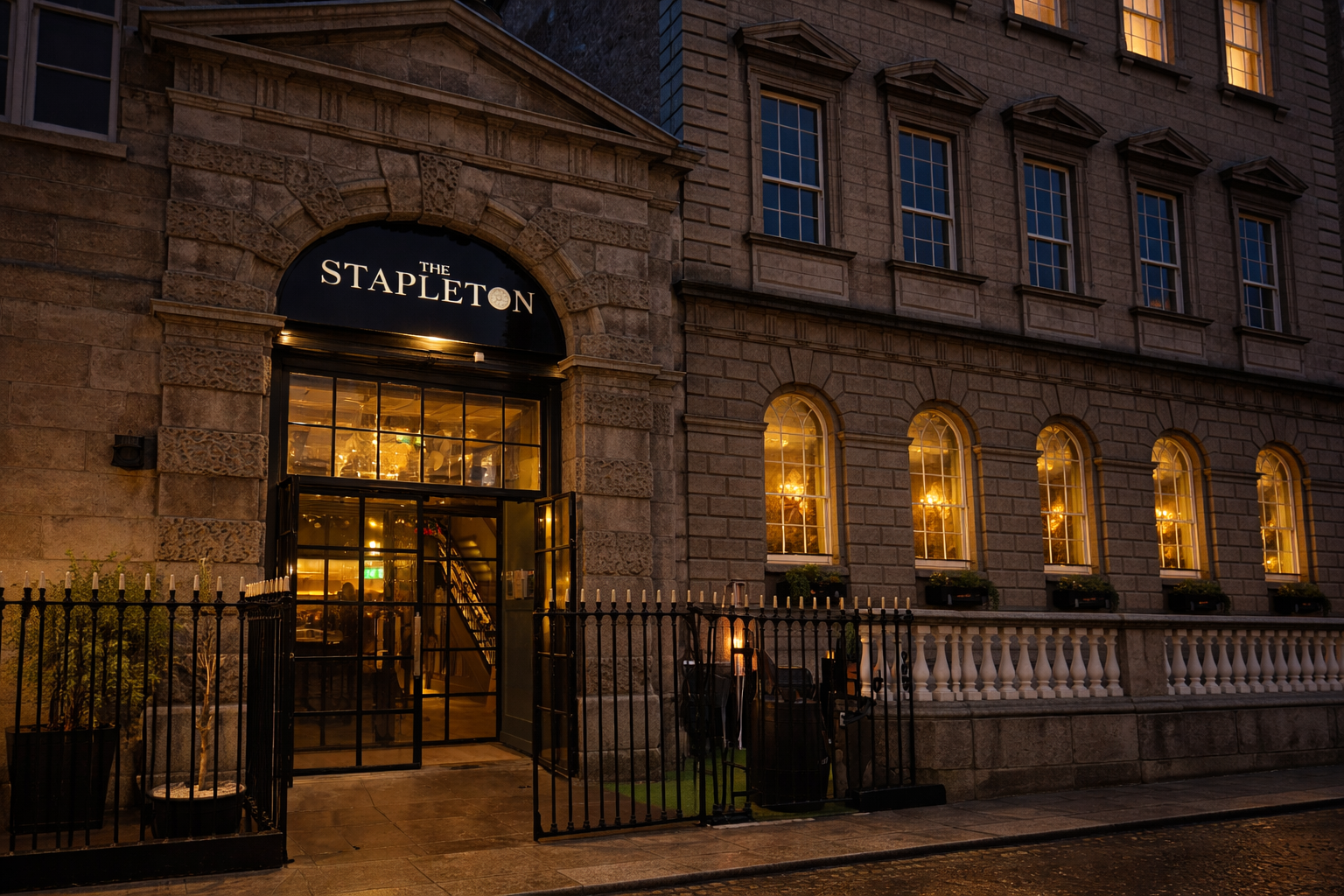
The Stapleton is part of the Powerscourt Townhouse in Dublin’s City Centre
The Stapleton opened its doors in a restored Georgian building, in Dublin city centre last month. Part of the Powerscourt Town Centre, this venue has had many iterations over the years, with Farrier & Draper being its most recent. Set across three floors, The Stapleton combines traditional pub culture with a more contemporary, multi-space format.
The venue incorporates a lively main bar, a cocktail-focused upstairs lounge and a newly opened basement pub that leans into a more intimate, classic Dublin atmosphere. For general manager David Young, however, the venue’s success is not rooted in design trends or complicated drinks menus. Instead, it comes down to a much simpler philosophy centred on people and atmosphere. “I’ve been in hospitality since I was 14 years old and I still love it to this day,” Young says.
“For me, hospitality has always been about people. I enjoy looking after customers, creating a good atmosphere and seeing people genuinely happy when they come into the venue. That’s what keeps me passionate about the job after all these years.”
Young’s hospitality career has seen him work across multiple sides of the trade, steadily progressing through the industry while developing a strong understanding of both customer experience and venue operations. The opportunity to lead The Stapleton appealed to him because of the venue’s potential to become something distinctive within Dublin city centre.
“It gave me the chance to help build something special in Dublin city centre with a great team around me, and that was something I really wanted to be part of,” he explains.
Three spaces, one identity
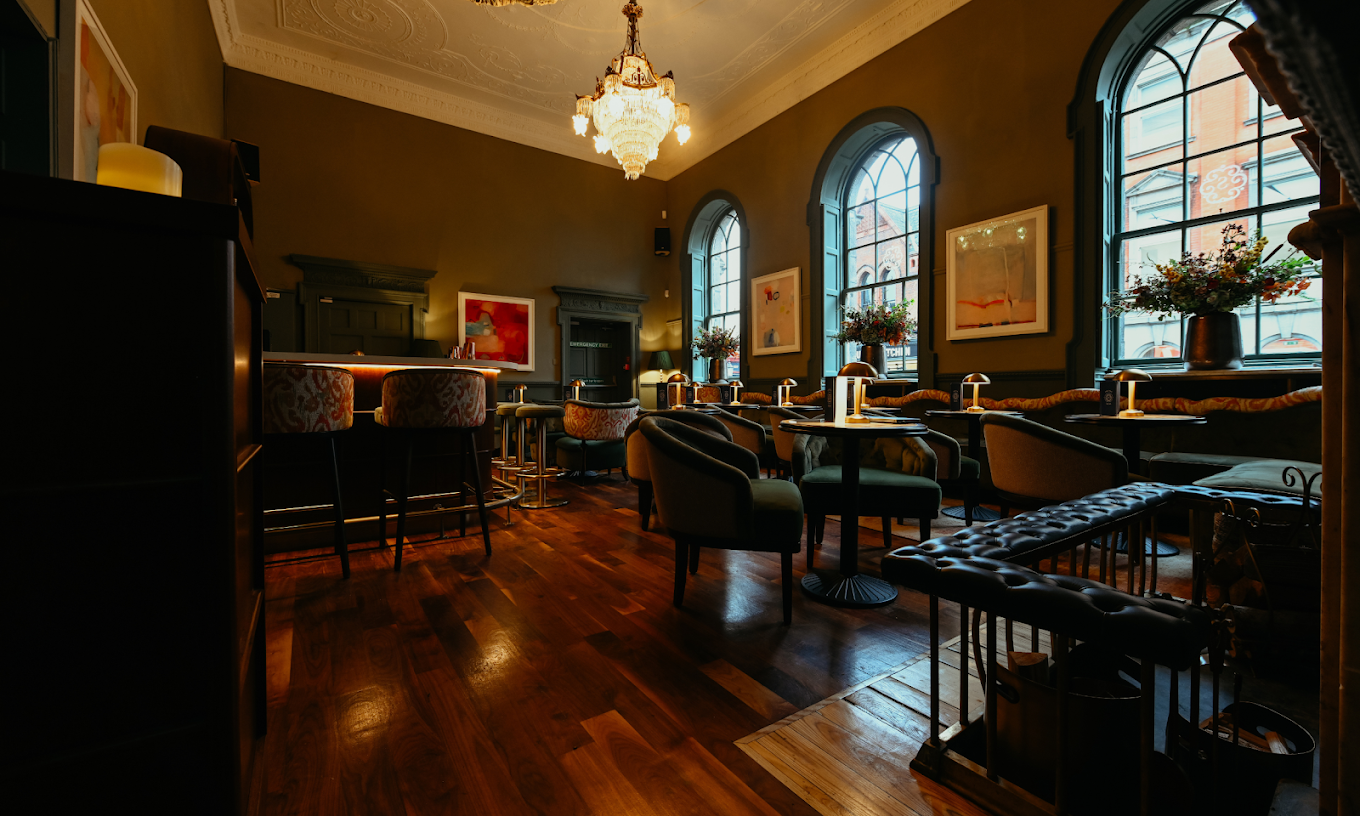
Upstairs, the Lounge introduces a softer atmosphere, offering guests a calmer environment for cocktails and conversation
One of The Stapleton’s defining features is its ability to offer multiple experiences within the same building without feeling fragmented or overly conceptual. While many venues attempt to divide spaces into entirely separate identities, Young says the goal here was to create natural shifts in mood and energy throughout the building. “The key was making sure each space had a different energy while still feeling like part of the same overall venue,” he says. T
he Main Bar acts as the social centrepiece of the venue, busy, energetic and designed to flow naturally throughout the day and evening. Upstairs, the Lounge introduces a softer atmosphere, offering guests a calmer environment for cocktails and conversation. Downstairs, meanwhile, the newly opened pub embraces a more traditional Irish pub feel, complete with lower lighting, intimate corners and snug seating areas designed for longer, more relaxed visits. “The idea wasn’t to create three separate concepts competing with each other, but rather three moods within one venue,” Young explains.
That flexibility has become increasingly valuable within Dublin’s hospitality market, particularly as customer behaviour continues to evolve post-pandemic. Consumers now expect venues to accommodate a variety of occasions, from casual after-work drinks to full evening experiences, often within the same visit.
Young believes The Stapleton’s layout allows the venue to transition naturally between those moments. “It’s designed to work equally well for a quick pint after work, cocktails upstairs later in the evening, or a long Saturday afternoon that turns into a full night out without anyone really noticing the transition,” he says.
Relaxed hospitality at the core
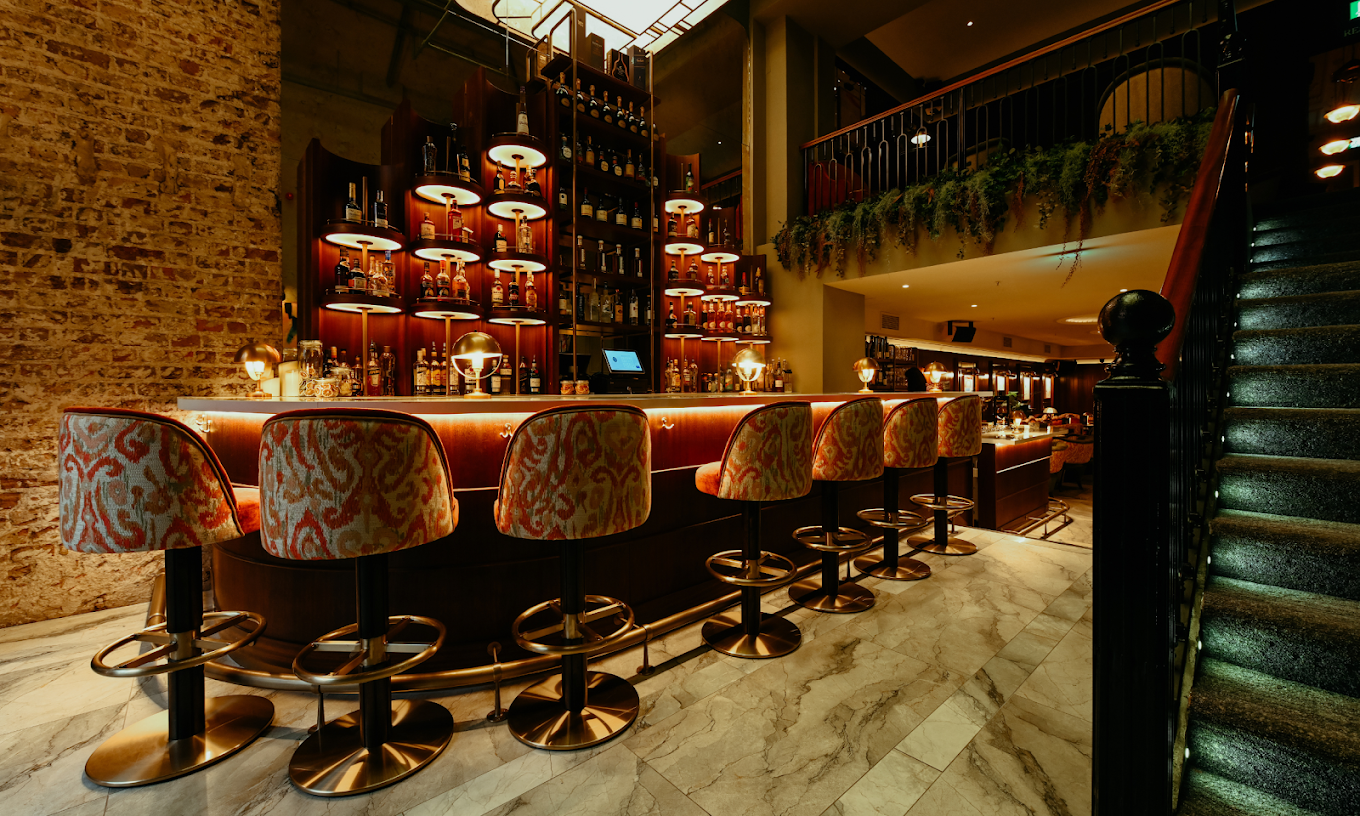
The Stapleton Main Bar is the centrepiece of the venue
While design and atmosphere are important, Young repeatedly returns to one central point when discussing the venue’s philosophy: hospitality should never feel forced. The Stapleton’s overall concept has been intentionally positioned as relaxed and “no-fuss”, something
Young says comes directly from the team culture and day-to-day customer interactions. “A lot of that comes from the team and the way we treat people,” he says. “I’ve always believed in leading by example and working hard alongside the staff.” He believes one of the defining characteristics of a successful Dublin pub is approachability, the ability for customers to feel comfortable regardless of the occasion. “We deliberately kept the venue very walk-in friendly,” he explains. “We want people to feel comfortable walking in at any time, whether they’re dressed up for the evening or just calling in casually for one drink.”
That informality also extends to the venue’s snug spaces, which remain non-bookable by design. While reservations and structured experiences have become increasingly common across hospitality, Young felt preserving spontaneity was essential to maintaining an authentic pub atmosphere.
“Some of the best moments in pubs happen unexpectedly,” he says. “We didn’t want those areas feeling too structured or closed off. To me, a proper Dublin bar experience is about good service, personality, atmosphere and a sense of humour,” Young says. “People want somewhere they can relax, enjoy themselves and feel comfortable.”
Respecting the building’s heritage
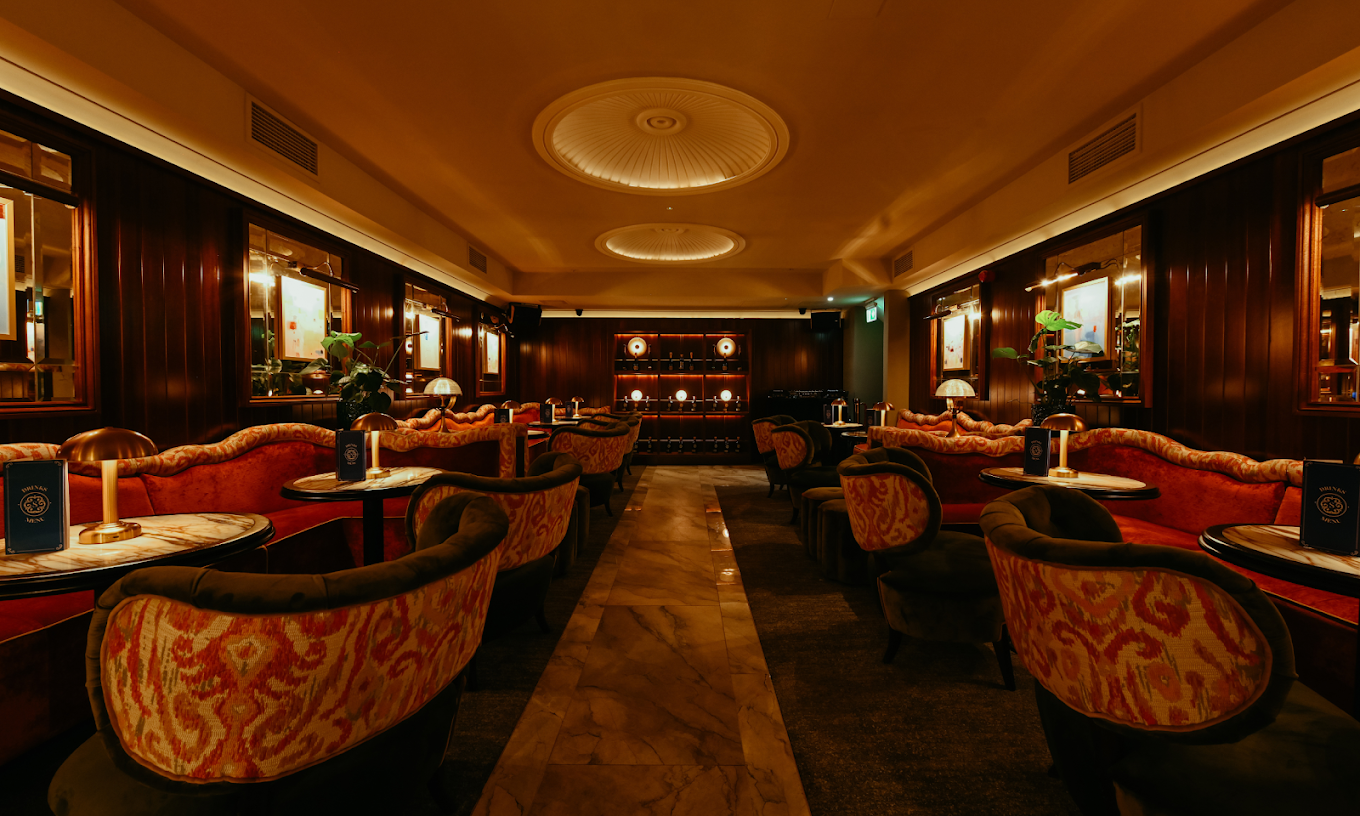
The building has so much character and personality, so they wanted to work with that rather than reimagine it
The building itself played a major role in shaping the final concept. With Georgian architectural features and historical links to Michael Stapleton, the original architect of the Powerscourt Town Centre, the venue already possessed much of the character the group wanted to build upon.
Rather than leaning too heavily into nostalgia or creating a themed heritage pub, the design team focused on subtle integration of the building’s history into the venue’s atmosphere. “The building itself already has so much character and personality, so we wanted to work with that rather than overdo it,” Young explains.
The Georgian influence can be seen in the lighting choices, textures and layout throughout the building, helping create a venue that feels both stylish and rooted in place. “We didn’t want it to feel like a themed or old-fashioned pub,” he says.
“The idea was to create something that respects the history of the building while still feeling modern, welcoming and very much part of Dublin today.” That balance between tradition and modernity is increasingly important within Dublin hospitality, where customers often seek venues that feel authentic without appearing dated.
Entertainment that complements the atmosphere
Entertainment has also been carefully integrated into the venue’s offering. Live music sessions now run Thursday through Sunday in the downstairs snug, while DJs perform in the upstairs Main Bar on Saturday evenings. Importantly, Young says the entertainment strategy was never intended to overpower conversation or dominate the customer experience.
“The live music adds great energy to the venue without taking away from the relaxed atmosphere,” he says. The snug in particular has quickly emerged as one of the venue’s standout features, offering an intimate live music setting that feels more organic than performance-driven.
“It’s already becoming a real hidden gem in Dublin,” Young says. Again, the emphasis remains on atmosphere rather than programming for its own sake. “The important thing is that people can still relax, chat and enjoy themselves comfortably,” he says.
Keeping the drinks offer simple
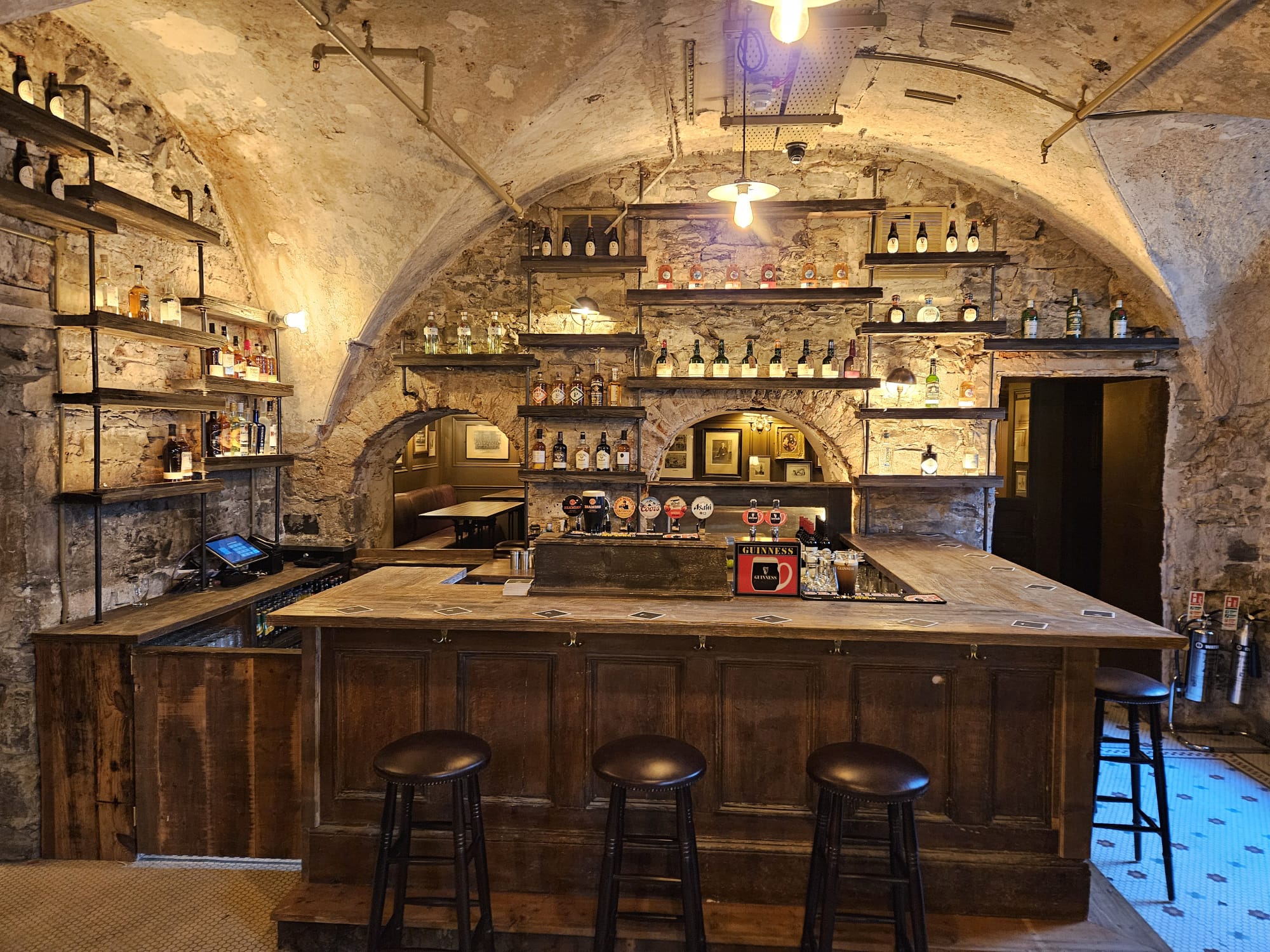
The venue’s spirits selection has also been intentionally curated around products customers genuinely order and recognise, rather than trying to overwhelm guests with endless choice
The Stapleton’s drinks programme follows a similarly restrained philosophy. At a time when many bars continue to expand premium spirit ranges and elaborate cocktail menus, Young believes simplicity and consistency are becoming more valuable to customers. “I think people appreciate clarity more than ever,” he says. “There’s absolutely a place for creativity and innovation, but ultimately guests remember quality and consistency.”
For The Stapleton, that means focusing on execution rather than excess. Guinness is poured properly, the beer selection remains concise but reliable, and cocktails are designed to be approachable and balanced rather than overly experimental. “We’d rather do the basics exceptionally well than overcomplicate the experience,” Young says.
The venue’s spirits selection has also been intentionally curated around products customers genuinely order and recognise, rather than trying to overwhelm guests with endless choice. “We focus on quality over quantity and making sure the products fit what our customers actually enjoy,” he explains. The venue remains primarily drinksled, although plans are currently underway to introduce food specials that complement the relaxed style of the space without shifting focus away from the bar offering.
Building the right team
Like many operators across Dublin hospitality, staffing remains one of the key operational priorities for The Stapleton. The venue currently employs approximately 13 staff, and Young places strong emphasis on maintaining a positive internal culture.
“I’ve always believed that if your staff are happy, customers will feel that straight away,” he says. Young operates what he describes as an open-door policy with the team, encouraging communication and ensuring staff feel supported within the business. “It’s important to know what’s going on and support people where you can,” he explains.
He believes positivity, humour and teamwork are essential ingredients in hospitality environments, particularly within high-pressure city centre operations. “We’re lucky to have a really strong team here and great support behind us from everyone across the company,” he says.
Early customer response
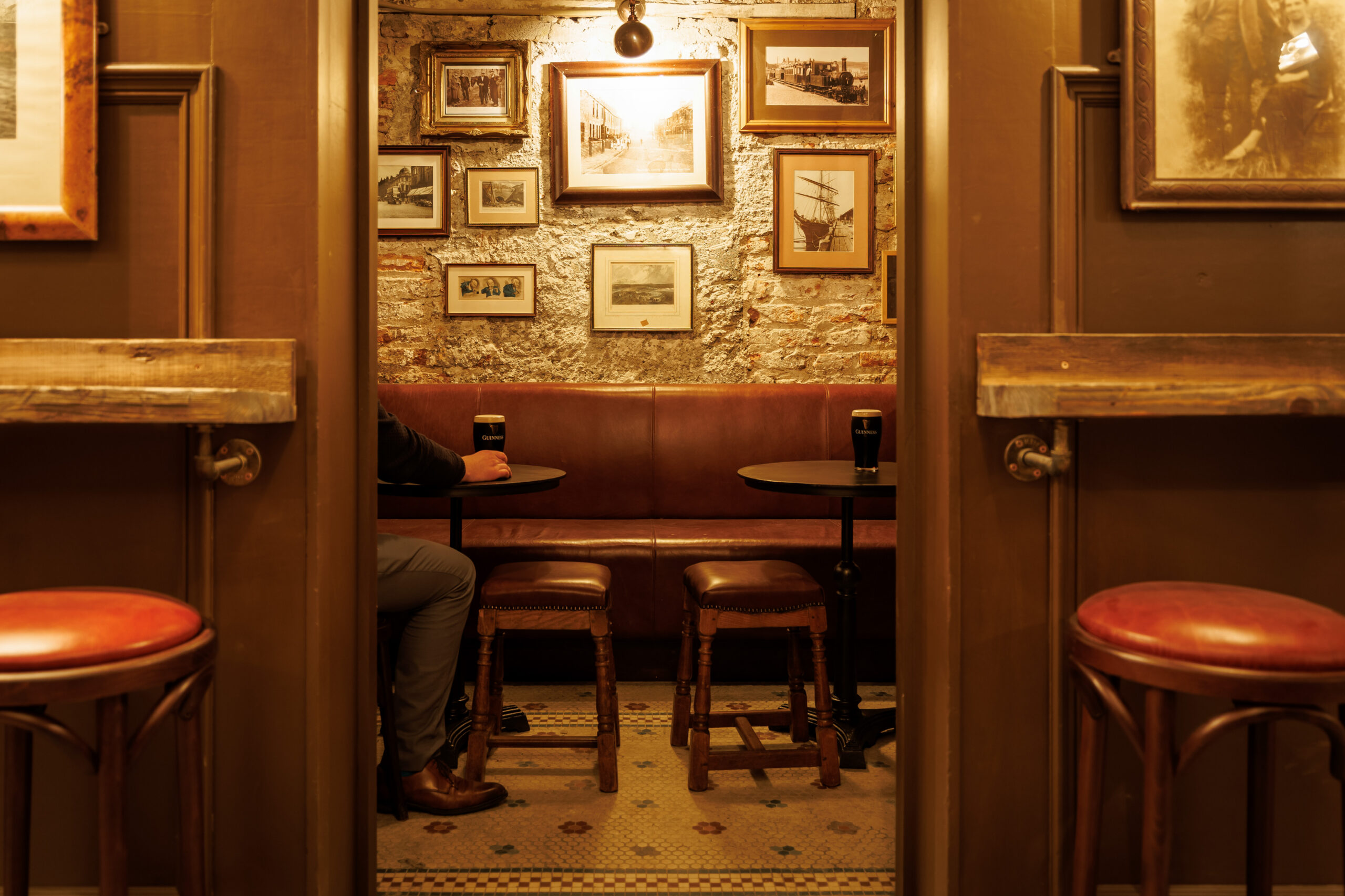
The newly opened pub downstairs in The Stapleton embraces a more traditional Irish pub feel, with intimate corners and snug seating areas
Since opening, customer reaction has been overwhelmingly positive, according to Young. The combination of multiple spaces, live music and relaxed atmosphere appears to be resonating strongly with both locals and visitors. “People seem to genuinely enjoy the atmosphere, the live music and the different spaces throughout the venue,” he says.
For Young, however, the most encouraging sign has been the number of repeat customers already returning to the venue. “It’s always great seeing people happy and enjoying themselves after you’ve looked after them properly,” he says. “We’re already seeing people returning regularly, which was always the goal.”
Looking ahead in a competitive market
Opening a new pub in Dublin city centre remains a significant challenge, particularly amid rising operational costs and changing customer expectations. Yet Young believes the city’s hospitality culture remains one of its greatest strengths. “The market is incredibly competitive, and guests have very high expectations, which is ultimately a good thing because it pushes standards higher across the industry,” he says.
Despite the pressures facing operators, he remains optimistic about the future for venues capable of delivering genuine hospitality and strong social atmosphere. “At the end of the day, hospitality is all about people,” Young says. “Dublin still has one of the best social cultures anywhere. If you create a venue people genuinely enjoy spending time in, the city will support it.”