


Playing the long game
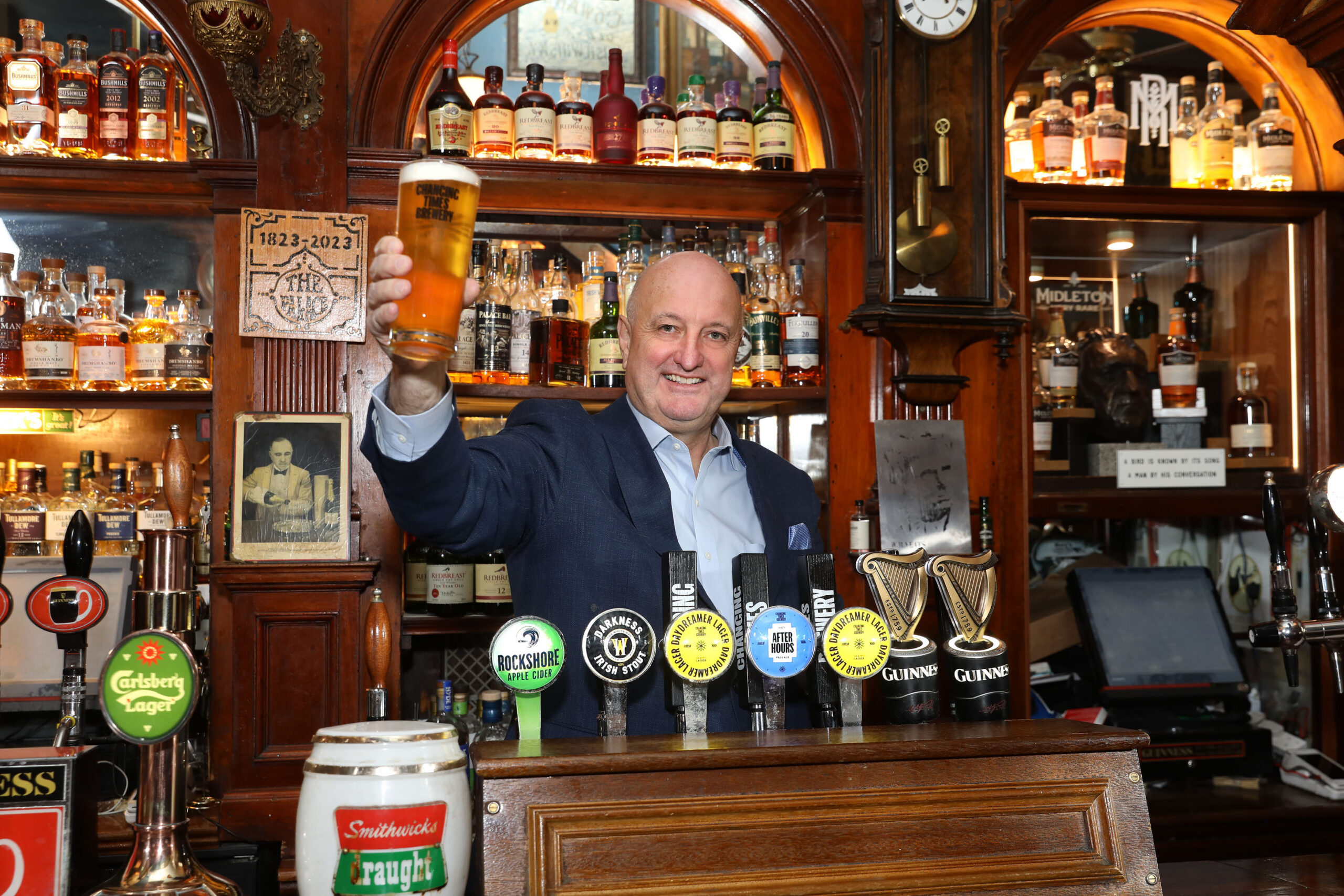
Drinks’ industry entrepreneur, innovator and founder of Drumshanbo Gunpowder Irish Gin, Patrick J Rigney has invested in Changing Times Brewery
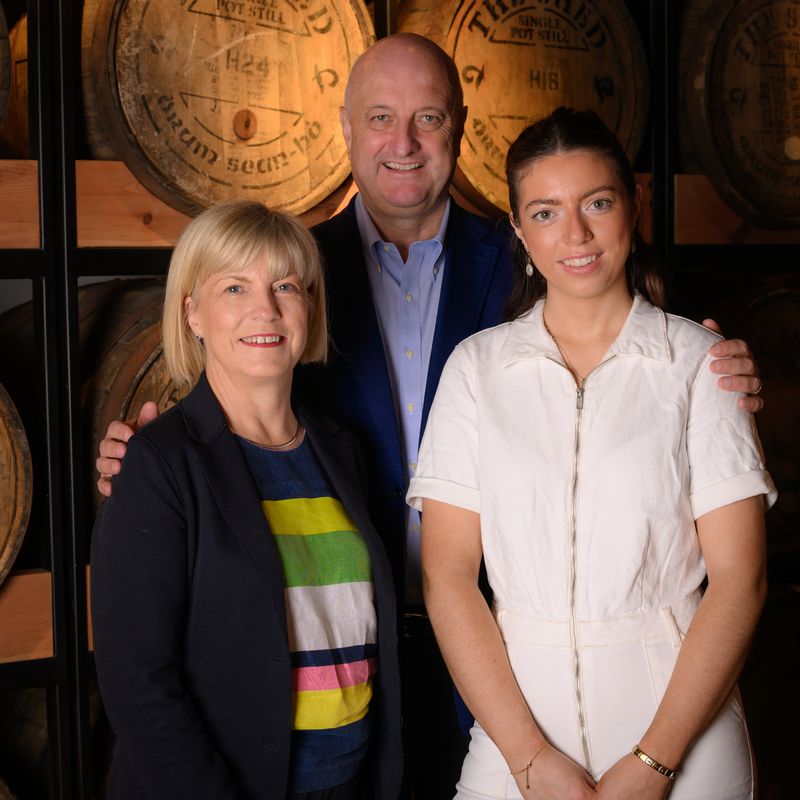
Pat Rigney with his wife Denise and daugter Róisín, who also works in the business
Patrick J Rigney grew up in Dublin and entered the drinks industry in 1982, at a time when formal postgraduate routes into marketing were virtually non-existent. “You went straight into work and learned by doing,” he recalls. After completing a BComm in UCD, he joined Grants of Ireland in Clonmel, a formative experience that would set the tone for his career. The drinks industry, he says, was already ahead of its time. “It was heavily branded, international in outlook, and very consumer-led. You learned quickly that having a good product wasn’t enough – you had to know how to build a brand.”
Clonmel also gave Rigney something else that would stay with him: community. A life member of Clonmel Rugby Club, he absorbed values that would later shape his leadership style. From there, his career progressed to Gilbeys and then Baileys, where his trajectory accelerated dramatically. In his late twenties and early thirties, Rigney found himself travelling the world, eventually managing roughly half of the Baileys business, covering the Americas and Australasia. At the time, Baileys was unlike anything else coming out of Ireland. Rigney describes it as the equivalent of a modern tech giant today – a pioneering, fast-moving business with global ambition. “It was incredibly exciting. They were creating something new from very humble beginnings, and they were doing it at speed, on a global scale.” Baileys went on to become the number one liqueur in the world – a position it still holds – and in doing so helped define Ireland’s international drinks reputation.
That reputation, Rigney believes, is one of Ireland’s greatest strengths. “Our drinks industry punches way above its weight,” he says. “Often the first connection people have with Ireland is through our drinks brands like Baileys, Jameson, Gunpowder Irish Gin or through food brands like Kerrygold. Along with our music and literature, that’s how relationships with Ireland begin.” Those relationships, he adds, often lead to visits, to distilleries and breweries, and to rural communities. “It’s all part of the experience.”
It is this belief in place, authenticity and long-term value that underpins Rigney’s work today at The Shed Distillery of PJ Rigney in Drumshanbo, Co Leitrim. Founded just over a decade ago, the distillery has become one of the most recognisable success stories in modern Irish distilling, not just for its brands, but for what it represents.
Discovering Drumshanbo

The Shed Distillery in Drumshanbo where Gunpowder Irish Gin is produced
Drumshanbo was not an obvious location for a global drinks business, but for Rigney it made perfect sense. There was a personal connection: his parents met in the village, where his mother worked as a finance manager in the mines and his father carried out audits. Beyond that, Rigney was looking for a location “off the main street”, somewhere that could be developed organically. Crucially, the local community embraced the project from the outset. “The people of Drumshanbo opened their arms and their hearts to us,” he says. “We’re thrilled to be here.”
That sense of mutual commitment has paid dividends. When The Shed Distillery began 11 years ago, Ireland was emerging from the financial
crash and unemployment in the area exceeded 20%. “It was pretty grim,”
Rigney recalls. Many of the distillery’s employees joined at the very beginning and have remained ever since. Head distiller Brian Taft was
the company’s first hire. “We trained everyone ourselves,” says Rigney. “We hire for attitude and character, and then we train. There’s huge talent around here.”
Today, The Shed Distillery employs over 100 people and has become a major economic and cultural presence in the region. It is also a significant visitor attraction, welcoming 70,000 visitors last year alone. Open seven days a week, closing only on Christmas Day, St Stephen’s
Day and the day after, the distillery offers a fully immersive experience. Everything sold on site is made there, from Gunpowder Irish Gin and Drumshanbo Single Pot Still Whiskey to the food served in the Jackalope Café. “Authenticity matters,” Rigney
says simply.
Creating a brand
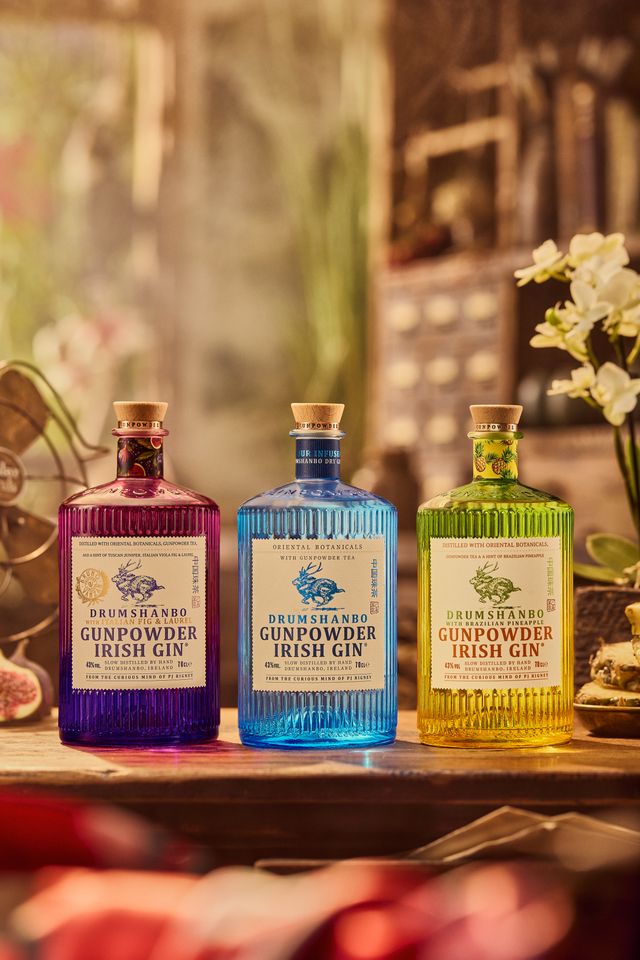
Gunpowder Irish Gin is now the number one premium gin in Ireland, the number four premium gin in the US, and the number six gin in global duty free
Gunpowder Irish Gin was always central to the vision. Launched into an already crowded and competitive market, it was never going to be an
easy win. “This industry is not for the faint-hearted,” Rigney notes. “Building a distillery – we can all do that. Making liquid – yes, we can do that too. But can you market it? Can you build a brand that consumers actually choose? That’s the hard part.” The results speak for themselves. Gunpowder Irish Gin is now the number one premium gin in Ireland, the number four premium gin in the US, and the number six gin in global duty free. Crucially, it continued to grow even last year, against what Rigney describes as significant headwinds. “Not at the levels of previous years, but we grew.”
Those headwinds are being felt across the global drinks industry. Rigney is candid about the challenges. “We’re in a post- Covid, post-expansion phase,” he says. “Across categories – tequila, American whiskey, Scotch, cognac – there’s too much capacity. Too much
product came into the market that was never going to be consumed.”
The result is a reset, one that Irish whiskey producers in particular must navigate carefully. Irish producers, Rigney argues,
cannot rely on the domestic market alone. “Ireland is too small. To survive, you have to succeed internationally.” That reality makes
government support and regulatory balance critical. “We’re already overregulated, and excise is too high. What we need now is support, not
more barriers.”
The tariffs problem
The United States remains central to that market, accounting for approximately 50% of Irish drinks exports. Continued uncertainty around tariffs is a concern. “If tariffs continue to rise, it’s a real problem,” Rigney says. However, he is pragmatic rather than alarmist. The Shed Distillery’s partnership with Palm Bay International in the US has been a strong one, and Rigney’s focus remains firmly on the job at hand.
“You have to stay away from the noise.” That philosophy also underpinned his recent tenure as chair of Drinks Ireland, a role he stepped down from just a few weeks ago. Rigney was the first small producer to be appointed chair, something he describes as a great honour.
“I was very proud to represent the whole industry,” he says. During his term, key issues included advocating for zero-for-zero tariffs with the US, addressing labelling requirements that had placed Ireland out of step with Europe, and restoring pride in the industry’s contribution to the economy and rural Ireland. “There’s a brewery or distillery in every county.”
Changing Times
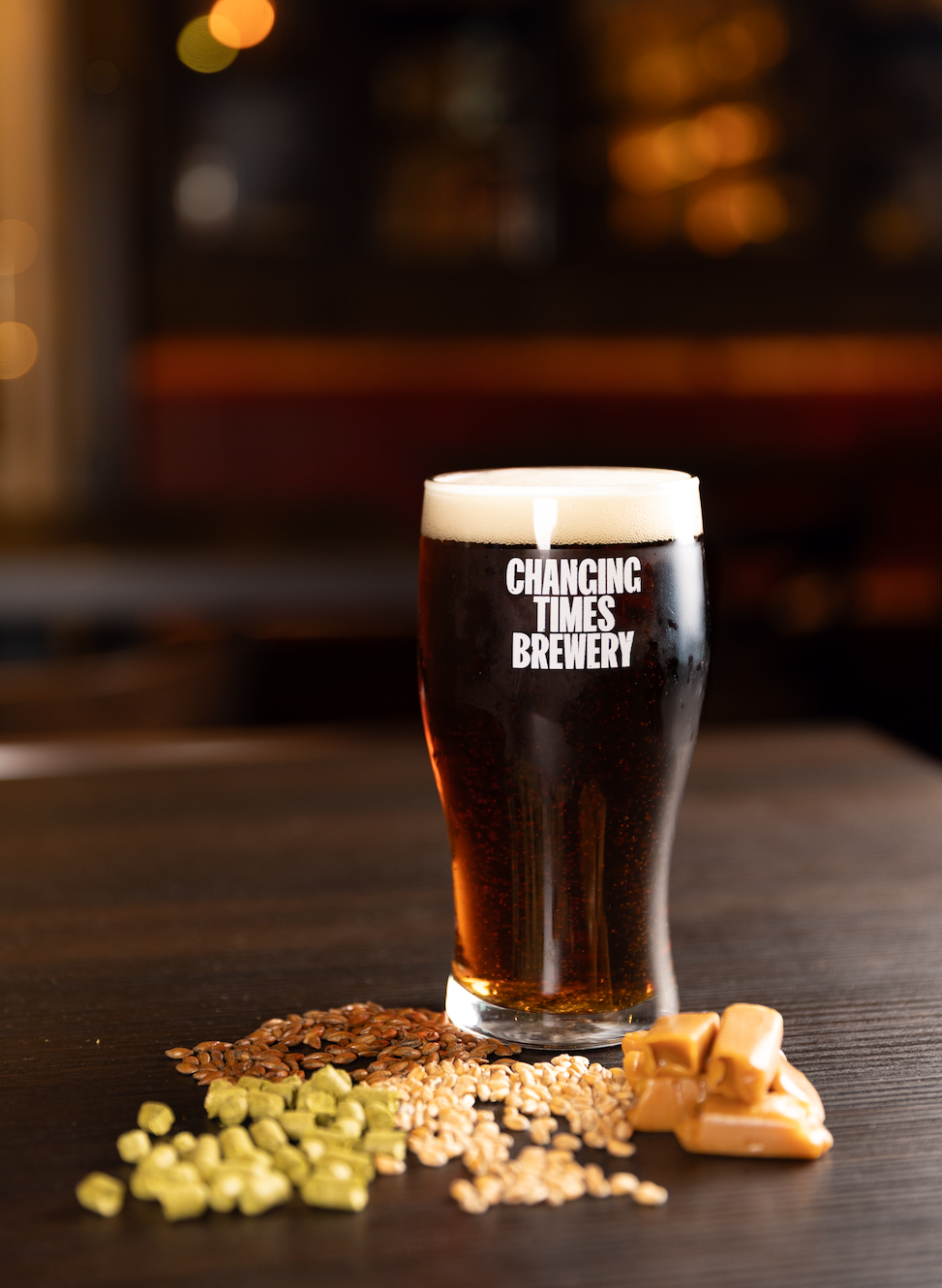
Bleedin Red Ale from Changing Times. Rigney attributes the exceptional quality of the Changing Times beers to head brewer, Shane Long
Alongside his work in spirits, Rigney has also embraced a new challenge in beer through Changing Times Brewery. The venture came about
following a call from Willie Ahern of the Palace Bar, with a vision of creating a brewing business that would give publicans greater balance and control over their taps. Based in Glasnevin along the Royal Canal, Changing Times has already gained a reputation for quality, led by head brewer Shane Long. “The quality of the beer is exceptional,” Rigney says. “And it’s a lot of fun. We’re all learning from each other.”
That collaborative mindset extends to Rigney’s views on pricing, particularly in light of recent increases from major suppliers. While acknowledging rising costs, he stresses the importance of protecting the Irish pub. “The pub is precious – especially in rural Ireland,” he says.
“It’s a tough business, with huge complexity. You have to be careful not to push pricing beyond the tipping point, because once you do, the fallout can be dramatic.”
Rigney is clear that his perspective is long-term. “We’re not in this for the next quarter’s results,” he says. “Most Irish pubs are intergenerational businesses. They’ve been around for decades and we want them to be around for decades more.”
Choosing optimism
As he looks ahead, Rigney remains optimistic, if realistic. Covid, he notes, actually gave The Shed Distillery confidence, as the business grew
through the disruption. What keeps him motivated now is the people – his team, the community in Drumshanbo, the wider industry. “This is not a oneman show,” he says. “The support we’ve had from publicans, retailers and consumers has been incredible.” He is also keen to acknowledge the role played by Ireland’s biggest drinks brands. “Guinness, Jameson, Baileys – they created the ecosystem we all
benefit from,” he says. “They’re part of who we are as a country. I want them to thrive, and I want the wider industry
to thrive too.”
For Pat Rigney, that ultimately comes back to playing the long game: building brands with authenticity, supporting communities, and making decisions not for short-term gain, but for lasting value. In an industry facing uncertainty, it is a philosophy forged through experience and one that continues to serve him, and Irish drinks, remarkably well.