





Dublin’s Little Lemon launches new food concept
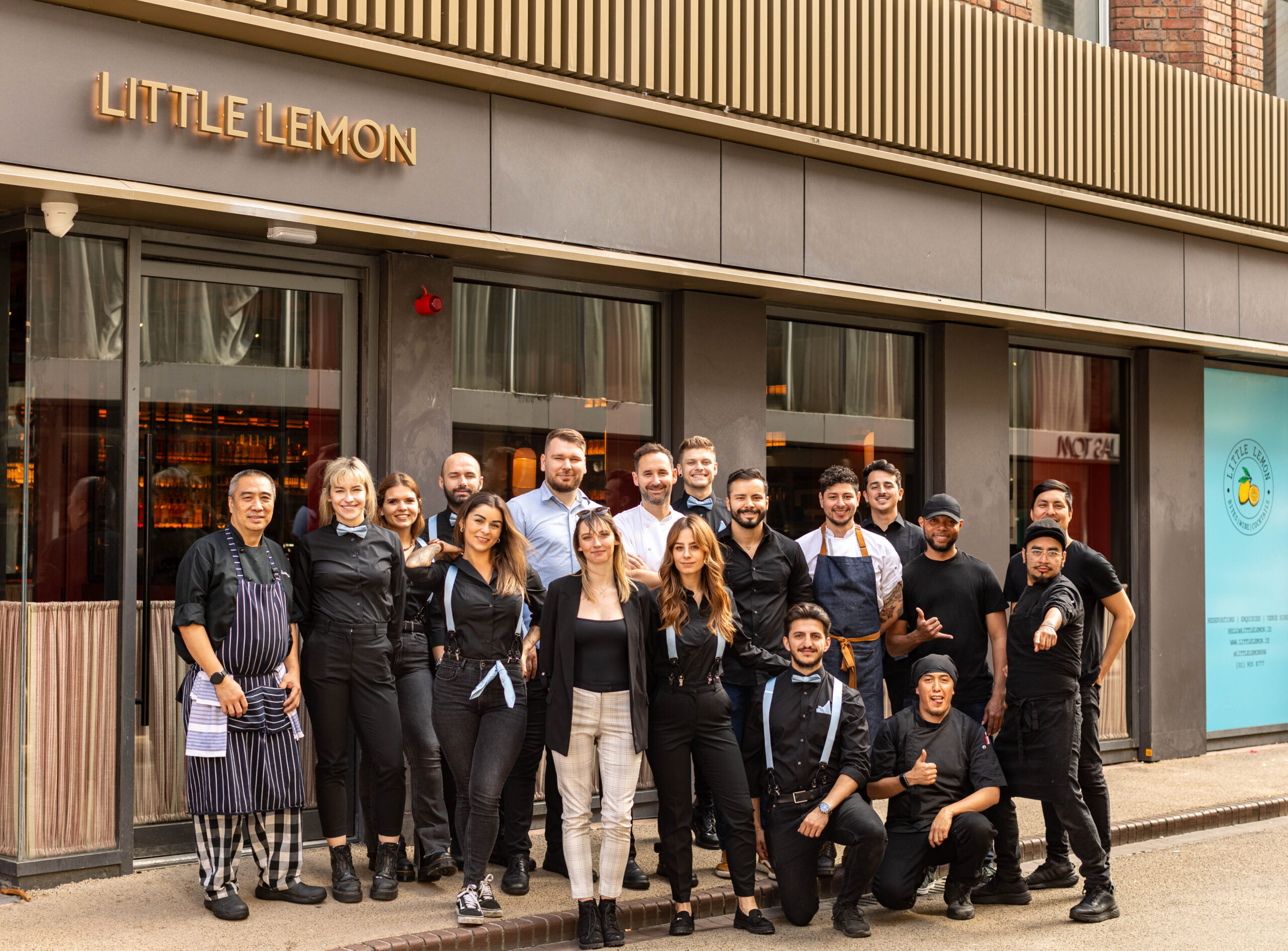
The team at Little Lemon, Dublin 2
Noel Anderson is no stranger to the fast-paced world of hospitality. Best known as managing director of Grand Slam Bars, which includes popular Dublin venues like Lemon & Duke, McSorley’s and The Blackrock, he’s also ventured into more intimate territory with the boutique-style bar/restaurant Little Lemon. Two years on from its launch, Anderson speaks candidly about the learning curve, the lessons, and the importance of numbers, people, and persistence in the restaurant trade.
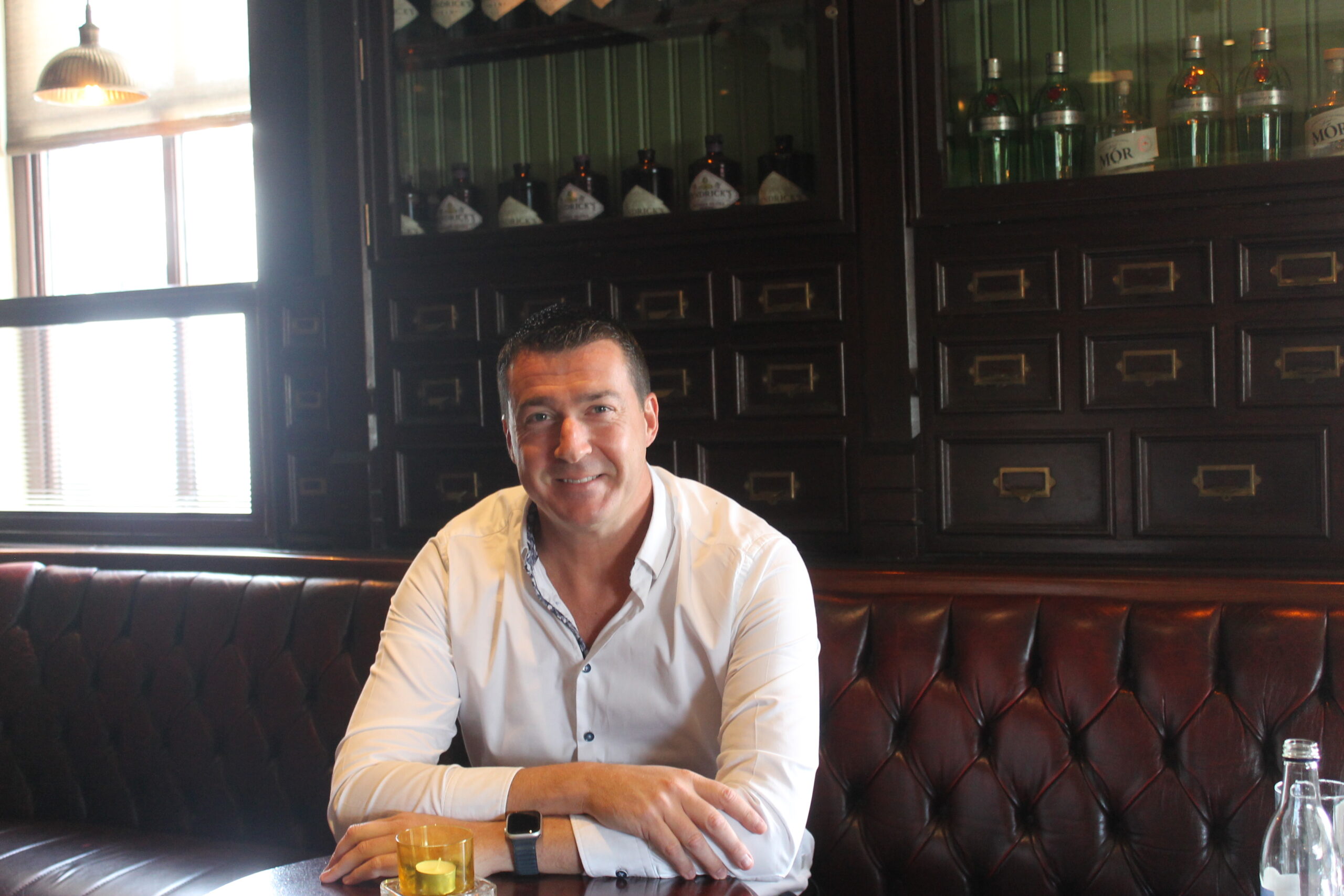
Noel Anderson, managing director, Grand Slam Bars
“When we first opened Little Lemon, it was my first real foray into the restaurant side of hospitality,” says Anderson. “It’s a numbers game, and you lose money at the start—there’s no getting around that.”
Little Lemon, a compact, Mediterranean-inspired restaurant located just off Grafton Street, has been a passion project with steep but rewarding challenges. With capacity for around 45 to 55 diners (depending on the weather), the space is a balancing act – intimate enough for ambience, but limited in turnover.
“You’re really busy Thursday, Friday, and on Saturdays you could fill the place twice but then Monday to Wednesday is quiet. So you’re constantly asking: Do we open for lunch? Should we close certain days? It’s trial and error.”
Yet Anderson has found his rhythm and one key development has been capitalising on private hire. “That’s really worked for us,” he explains. “You get three-quarters of your day trade, then a nice bump at the end of the night with a private party. We trade as normal until about 8pm, then hand it over to a function. We can fit 70 to 80 people for a private event with food served by the plate. There is no room hire fees but we just agree on a minimum spend, depending on the day.”
Upskilling and expanding
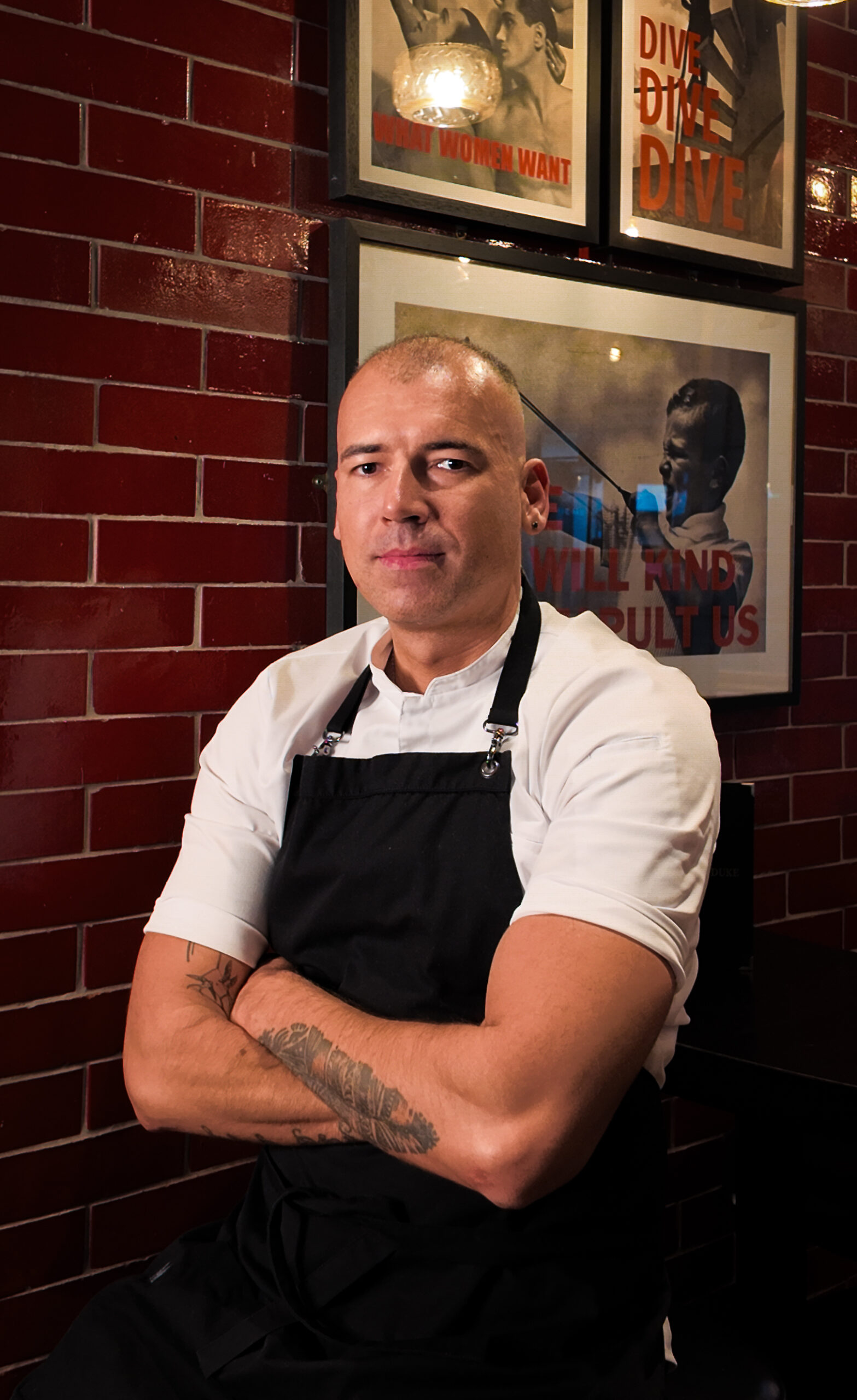
Head chef of Little Lemon, Tomas Fajkos
A major turning point for Little Lemon has been the recent arrival of head chef Tomas Fajkos, who also oversees Lemon & Duke. “He’s brought the place to another level,” says Anderson. “The food, the presentation, the consistency – it’s all stepped up.”
And with that improved experience has come increased demand, especially during the summer and Christmas periods. To meet it, Anderson is planning to add another 10 to 15 seats within the current footprint. “It’ll make a big difference, especially in peak periods like Christmas.”
Design meets experience
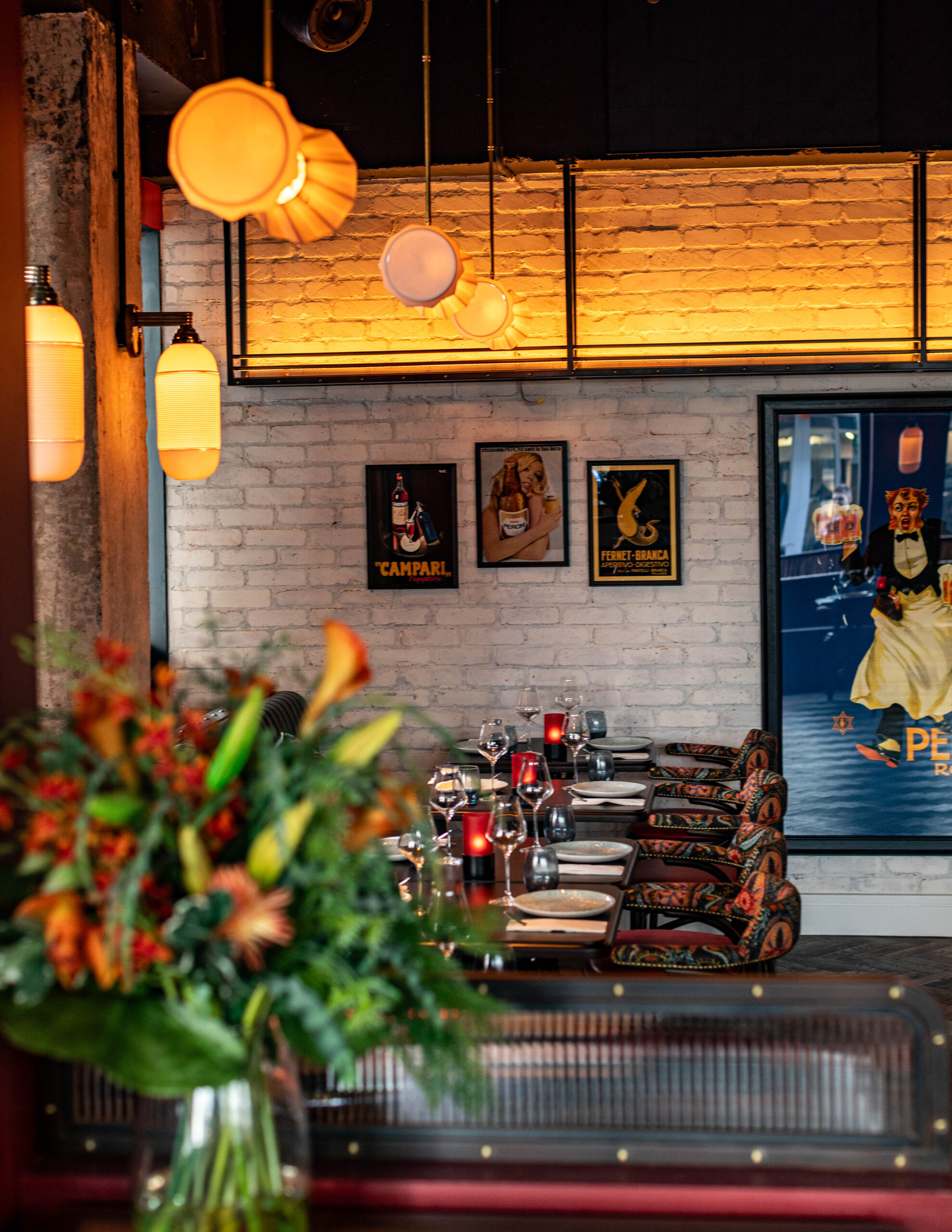
The décor of Little Lemon is central to its identity. Inspired by Anderson’s travels across the Mediterranean, the design by O’Donnell O’Neill Design Associates, aims to recreate the feel of European casual dining.
“Every chance I get to travel, I take it,” he says. “I love the idea of sharing plates, having a small local beer in the sun. That’s what we tried to recreate. You can’t call it tapas unless everything’s Spanish, so we call it Mediterranean. We serve Spanish, Croatian, Italian, and French-inspired food and wine.”
Synergies without sacrificing identity
While Little Lemon and Lemon & Duke operate just steps apart, each retains its own character. Still, Anderson acknowledges the benefits of shared oversight. “Dom Orecic manages both venues. We didn’t need two ice machines, and the staff can support each other across both places. If Lemon & Duke is full, we’ll check if there’s space at Little Lemon before letting a customer walk away.”
Operational overlap helps, but the venues are strategically distinct. “Lemon & Duke is more of a bar; Little Lemon is a restaurant. We serve food there until 10pm because tourists like eating late. We get a lot of bar staff from other venues coming to eat after they finish work as there’s only so much McDonald’s or Burger King you can eat.”
Staffing: From crisis to culture
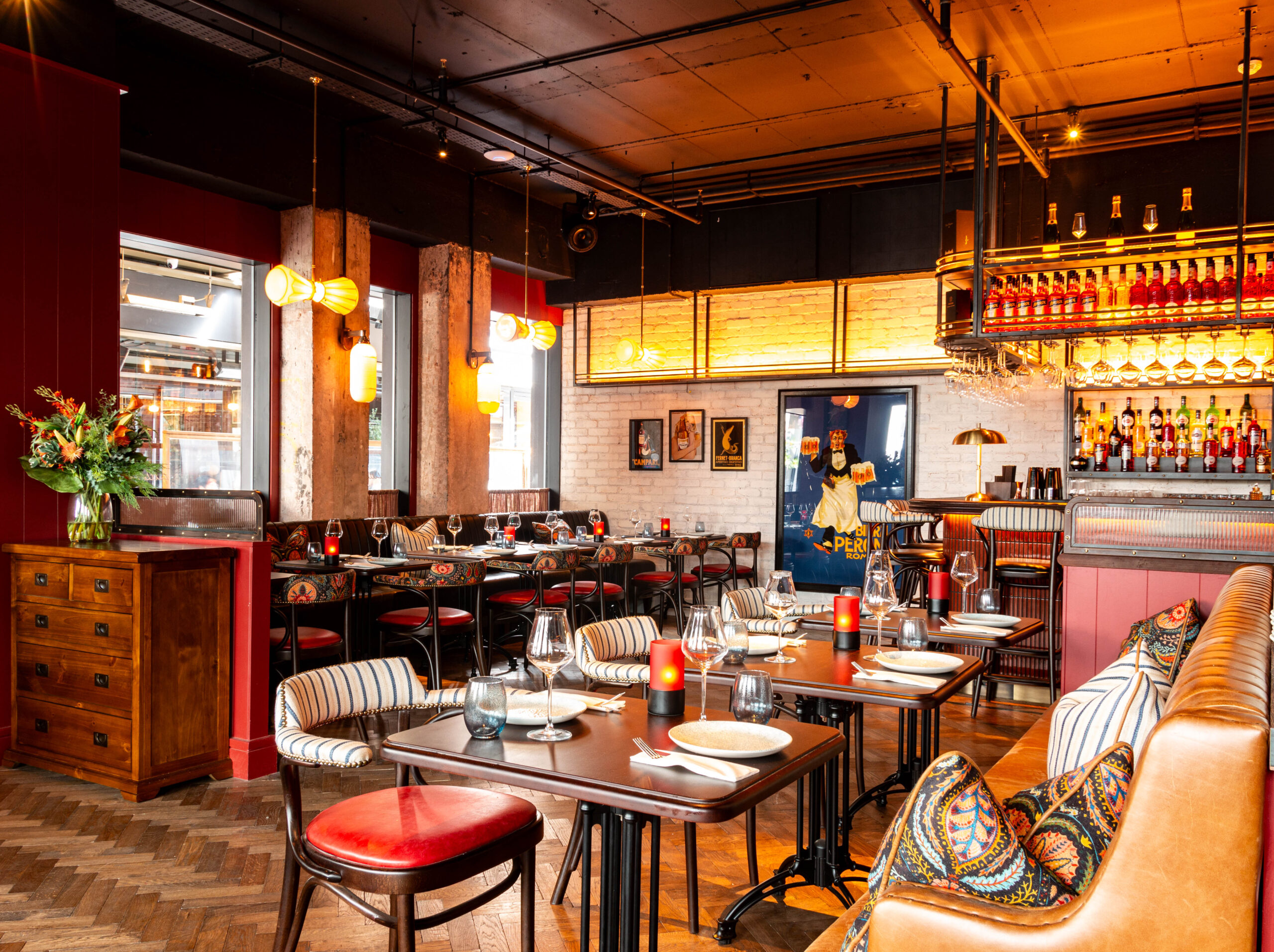
Little Lemon has a Mediterranean feel to it from the décor to the food
Post-Covid staffing issues hit the entire industry, but Anderson believes his group has turned a corner.
“We’re in a good place now,” he says. “I think we look after our staff really well. We pay properly, tips are strong, and we create a family environment. Some people left and ended up asking to come back.”
Currently, the group employs around 200 staff across all venues. “If you sat down and looked at the wages bill for the year, you might panic,” he laughs. “But thankfully, turnover balances it out.”
At the heart of that retention strategy is culture. “Our staff look forward to our annual Christmas party—it’s a real highlight. We close the bars, give out awards, make a night of it. Last year we did it in McSorley’s; we’ve had it at the Courtyard in Leixlip too.”
Anderson has also recently promoted Tony McCabe, a long-time team member, to board director and shareholder. “I believe in rewarding loyalty. He’s my right-hand man, and when I go on holiday, I put my phone in a safe. Tony runs the show.”
The drive for constant improvement

If something is working in one bar, they try to replicate that across others
While stability is important, Anderson insists the business is never static. “We’re always looking at how we can improve, what gives us an edge and how we improve the customer experience.”
To that end, Grand Slam Bars recently brought in Mark Thornton, an industry training consultant. “The younger staff got loads from it,” Anderson notes. “There’s a lack of formal training in the industry, so we’re trying to fill that gap.”
The goal is cross-venue consistency: “If something’s working in one bar, we need to be doing it across all of them.”
A changing city and industry concerns
Retaining staff has been key for the Grand Slam Bars Group
Though Dublin’s nightlife is slowly rebounding, the challenges remain. “The city still empties early,” says Anderson. “We tilted Lemon & Duke away from being too late-night, and that’s helped.”
The real sticking point? Public transport. “People still don’t know how they’re getting home. The lack of late-night transport hasn’t been fixed. It limits the late trade. Nobody wants to be stranded at 1am.”
He does credit improvements in Garda visibility and presence on the streets in recent months. “There’s a new assistant commissioner and more guards are on the street – that’s made a big difference. We’ve been shouting about this for years.”
But not all progress is guaranteed. Anderson expresses concern over proposed increases to insurance payouts. “We’ve made real progress with insurance reform—and now we’re going backwards. They’re talking about raising payouts by 14%. That’s insane.”
His worry is about influence. “There’s a lot of legal lobbying. Too many former solicitors and barristers in politics. Legal costs are already off the charts. It’s frustrating.”
The big picture
Despite the constant challenges, Anderson remains focused on the future. “You’re always watching the numbers. In this business, something is always around the corner, an electricity outage, a supplier issue, a staffing change. You have to be ready.”
But with a reliable team and clear vision, he’s not easily rattled. “We have a saying: ‘No news is good news.’ When things are going well, be grateful. Don’t go poking the bear.”
His current focus is growth: scaling what works while retaining the individuality that makes each venue unique. “I go around, make sure the systems we’ve put in place are working, and focus on where we go next.”