

Publicans welcome VAT reduction but timeline is “unacceptable”
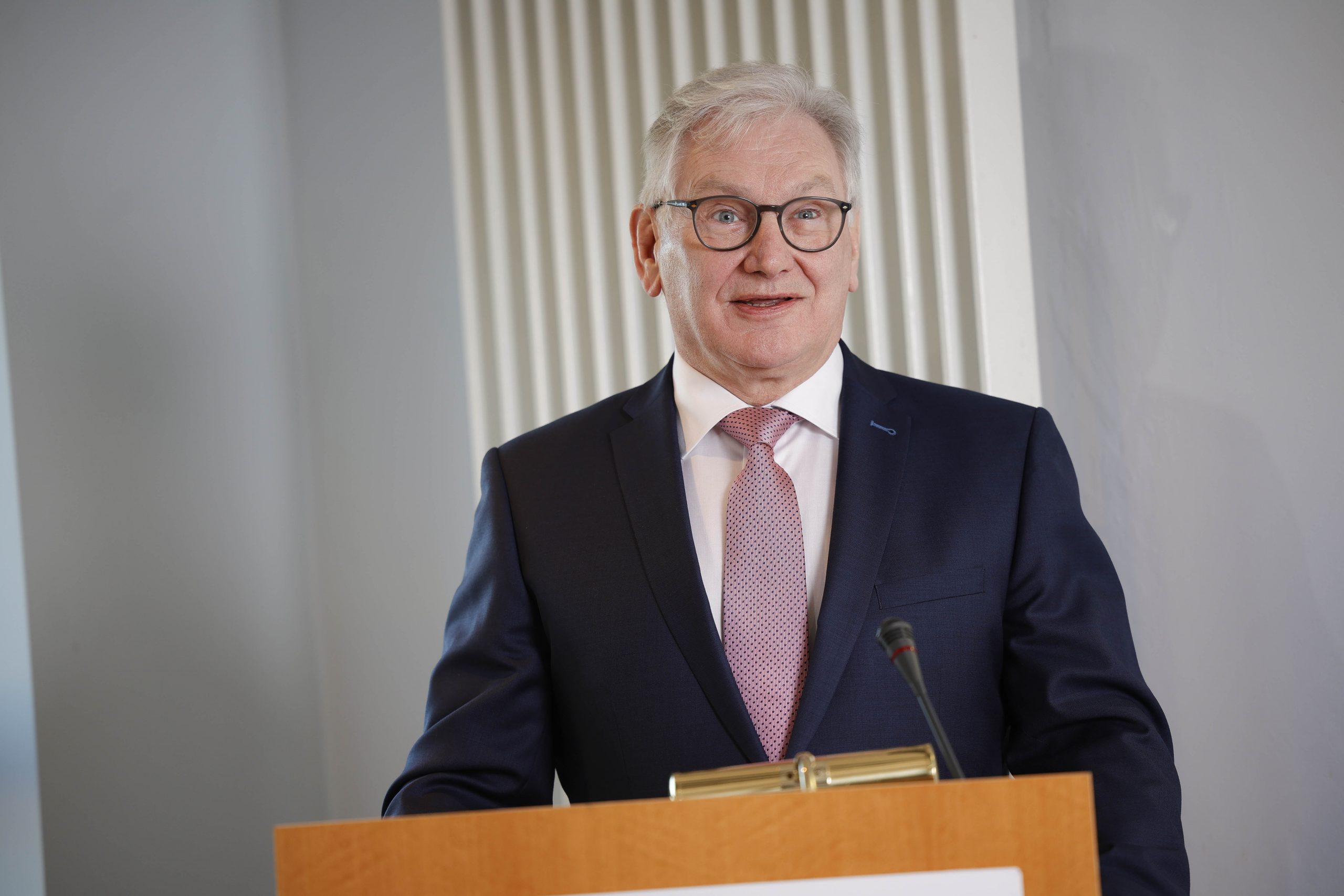
Pat Crotty – CEO Vintners’ Federation of Ireland (VFI) Picture Conor McCabe Photography.
The Vintners’ Federation of Ireland (VFI) has sharply criticised the Budget, saying it fails to deliver for the thousands of traditional pubs now fighting for survival and leaves food pubs waiting months for promised support.
While the decision to cut VAT on food services from 13.5% to 9% is welcome, the VFI says delaying the change until mid-2026 is unacceptable. Food pubs face their toughest trading period in the first half of the year and will now have to endure another six months of crippling costs before any relief arrives, at the very moment when new cost burdens such as the January increase in minimum wage will take effect. The government is piling on extra costs early in the new year, but making struggling pubs wait until July for even modest relief.
According to VFI chief executive Pat Crotty : “This Budget is a bitter blow for traditional publicans, even allowing for the vital reduction in the hospitality VAT rate. Food-led pubs must somehow survive the hardest months of the year without the VAT support they were promised, while the thousands of traditional pubs, who don’t serve food and form the backbone of rural Ireland, get absolutely nothing.
“The government has missed a clear opportunity to support struggling, community-based businesses through the Draught Excise Rebate, a fair, on-trade-only measure that would have kept doors open and jobs protected. Instead, those pubs are left exposed to relentless cost pressures.”
The VFI says government-driven payroll costs are now at breaking point. Pension auto-enrolment and another increase in the minimum wage come on top of energy and insurance costs that remain well above pre-Covid levels.
The VFI is calling on government to bring the VAT cut forward to January 2026 and urgently revisit a Draught Excise Rebate as part of any cost-of-business package.
Dublin pubs welcome VAT9 but criticise cost of SEOs
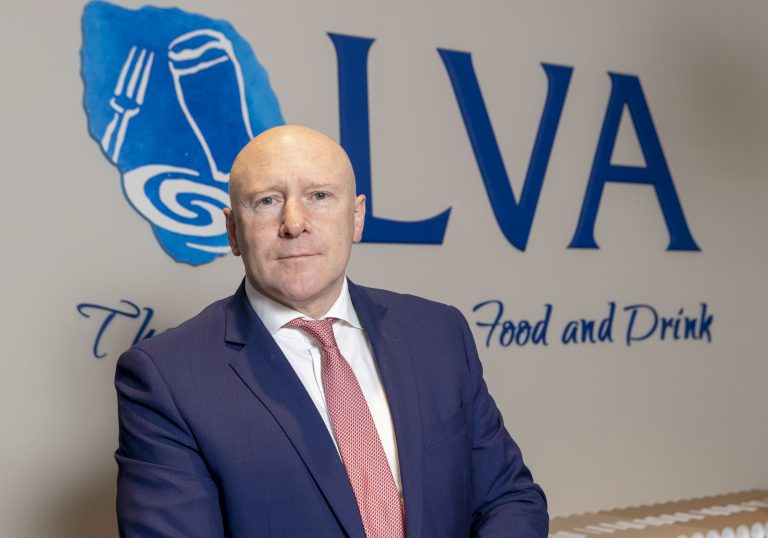
Donall O’Keefe, chief executive officer, LVA
Meanwhile Dublin publicans have criticised lack of action on late night costs and alcohol excise.
The Licensed Vintners Association (LVA) also said that the government’s decision to confirm that VAT9 will be served up for food businesses come next July was a “welcome Budget order”.
However, they criticised the government’s decision to ignore the cost of Special Exemption Orders (SEOs), which are needed in order to allow a pub or nightclub to open beyond standard licensing hours. A cost of €205 plus solicitor fees has been imposed for every single night a licensed premise that wishes to extend their operating times by up to two hours. For a venue opening late three nights per week, that amounts to almost €32,000 (plus solicitor fees) per year.
The LVA also expressed their disappointment that the excise rate was not reduced in the Budget and remains at “amongst the highest levels in the EU”.
LVA CEO Donall O’Keeffe said, “Confirmation that VAT9 will return for food serving businesses is a welcome Budget order for hospitality. While everyone wanted this measure in place from Budget Day, we are glad to see this finally and formally confirmed. We have nine more months of VAT at the higher rate and we welcome that this announcement will take the VAT 9 discussion off the table for good. This is a very important measure to boost the viability of pubs that serve food, given the extraordinary cost pressures they are experiencing.
“It was however disappointing to see no action taken to reduce the cost of SEOs. In our view, the cost associated with these exemptions is over the top. It is a bit much for the government to be imposing these charges given the entire late night sector had been patiently expecting the government’s licensing reforms to take effect for a few years now.
“It is also disappointing that there has once again been no action to reduce the unreasonable levels of excise duty charged on alcohol. Customers purchasing alcohol in this country are paying excise at rate that is amongst the highest levels in the EU. With Irish drinking consumption now at average European levels, this has long since passed being a measure aimed at encouraging moderation. It is the Government imposing a tax on people’s socialising,” said O’Keeffe.