



Time for opportunities: why BrauBeviale matters to brewers this November
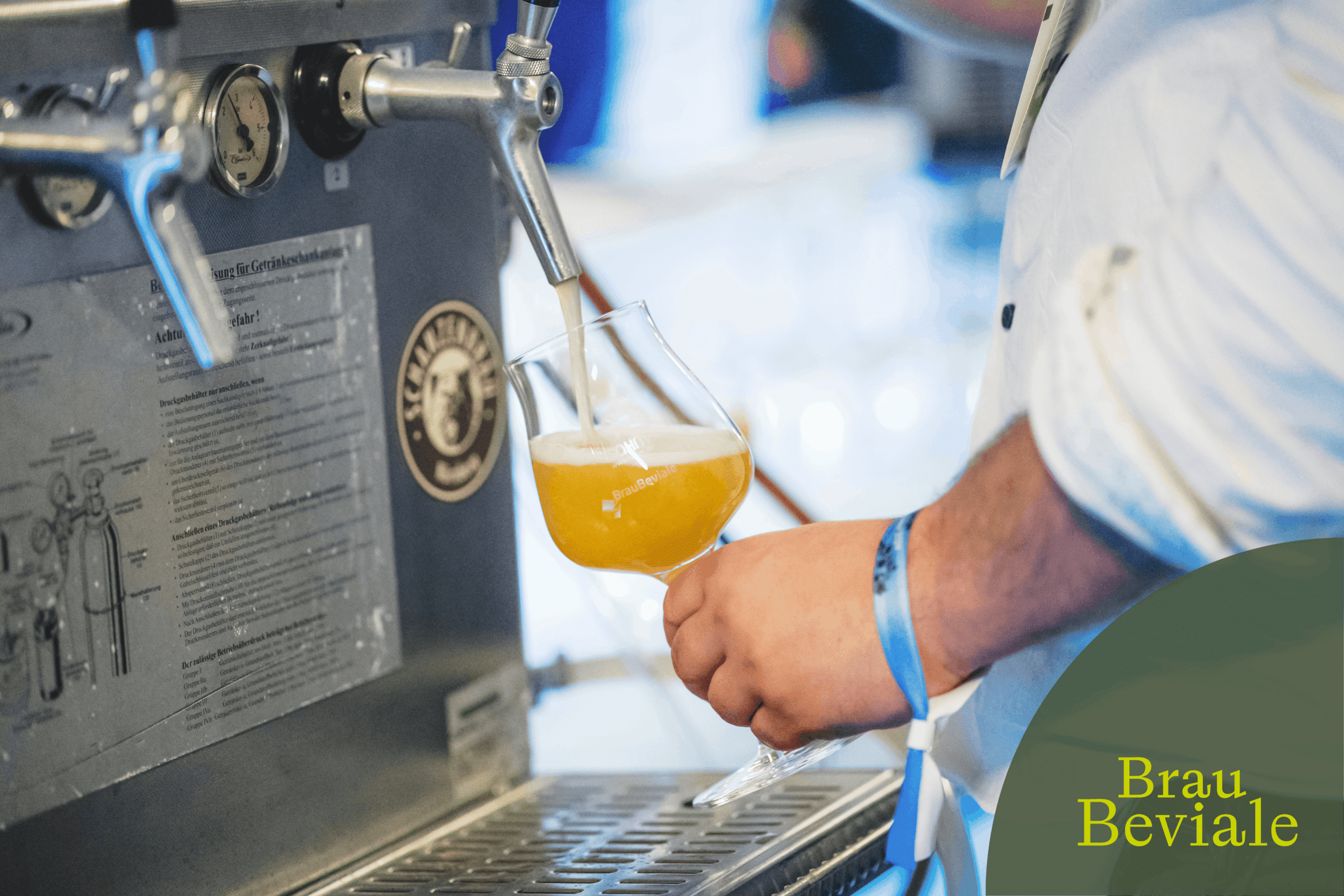
BrauBeviale will help breweries assess where the next opportunity might lie
Brewers hardly need reminding that the drinks market is changing. The more useful question is where that change genuinely warrants. The development of alcohol-free beer offers a useful indication of both the pace of change and the decisions it creates for producers.
According to Statista Market Insights data cited by BrauBeviale, per-capita consumption in Great Britain rose by 72% between 2018 and 2025, reaching 1.07 litres. Yet this remains well below the 2.7 litres per capita recorded across Europe. The figures point to clear momentum, but a growing category does not automatically make for a sound business case.
For breweries assessing where the next opportunity might lie, the bigger questions concern production: what can be achieved with existing assets, what requires meaningful technical adaptation and where does the potential return justify the investment?
Making existing assets work harder
This is one of the questions BrauBeviale is placing at the centre of its 2026 edition. Organiser Yontex says it is seeing beverage manufacturers looking for ways to broaden their portfolios, preferably using equipment they already have.
Its new positioning, “All Beverages. One Future.”, reflects a wider focus on production across beverage categories while maintaining the event’s traditional brewing base.
For brewers, that potentially opens opportunities beyond simply adding another beer style to the range, although moving into an adjacent category is not necessarily a matter of putting a different liquid through the same line.
The technical demands associated with functional beverages demonstrate how quickly diversification can become more complex. Ingredients such as proteins, vitamins or minerals can introduce different requirements around pH, temperature, stability and shelf life.
BrauBeviale’s recent technical analysis of functional ingredients highlights how formulation and processing conditions interact, making diversification as much a process question as a product-development
one.
The most useful conversation, then, may not be about which category is growing fastest, but how flexibly existing brewery infrastructure can respond to changing demand without disproportionate capital expenditure.
Looking beyond the product portfolio
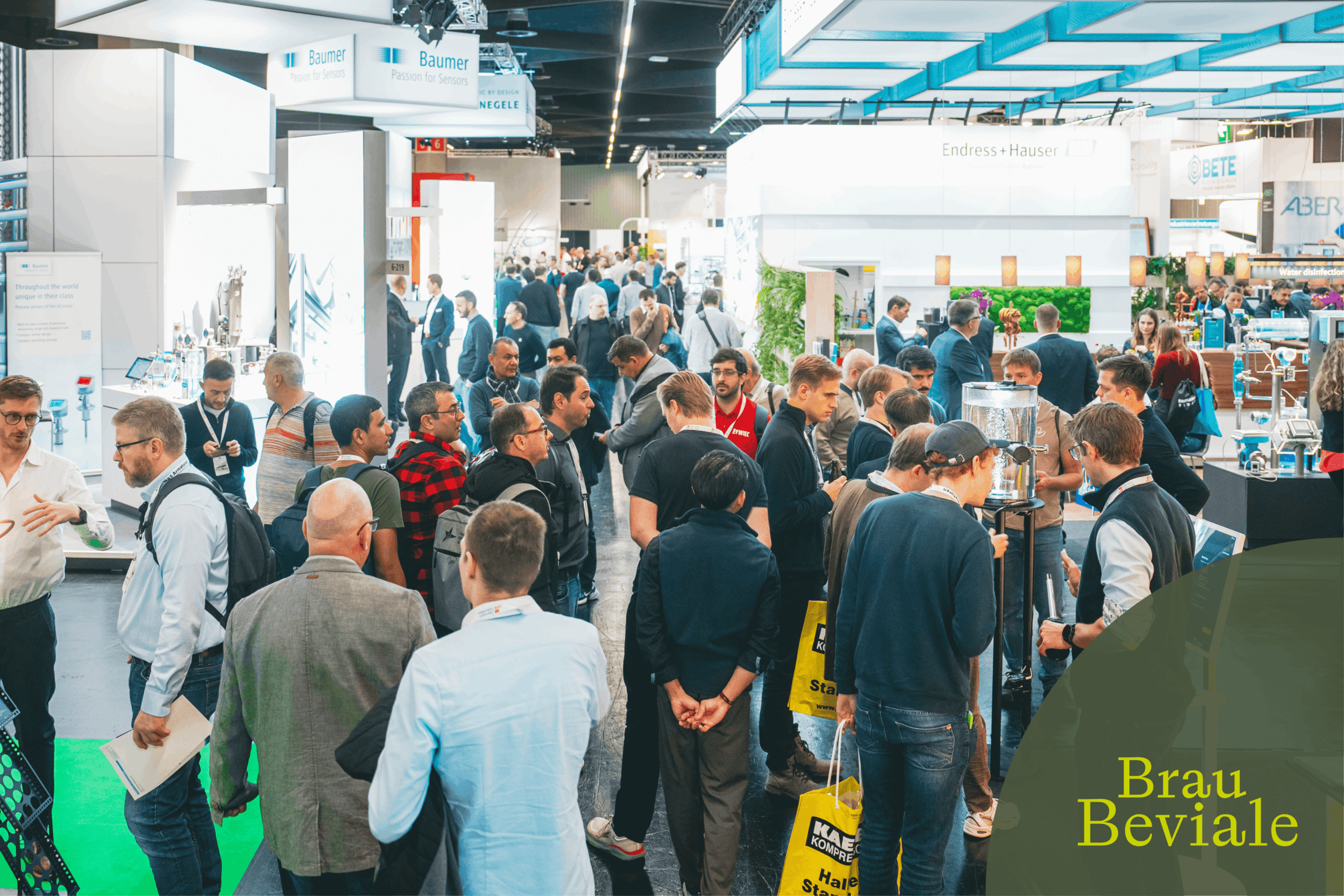
The value of Nuremberg this November may be less about discovering what is new and more about examining what it would actually take to make the right opportunity work
Making better use of existing assets does not necessarily mean expanding the drinks range; it can also involve finding greater value in what currently leaves the brewery.
BrauBeviale’s new Pilot Area will include Eat Beer Biotech, which is developing a modular, container- based system to convert brewery by-products into food ingredients and bio-based products using data-driven process control. The stated aim is flexible, scalable and circular production.
A similar focus on extracting more value from existing operations can be seen in energy use. Fraunhofer UMSICHT’s ISSDEMO project is developing high-temperature thermal storage capable of supplying process steam from renewable energy sources, with a demonstration plant being built and tested at Bitburger Brewery Group.
For breweries looking to improve energy and resource efficiency, projects such as these raise practical questions about where further efficiencies and additional value can be found within the production process.
From opportunity to production reality
Taken together, these questions help explain why Nuremberg is particularly relevant for brewers this November. BrauBeviale returns from 10 to 12 November, bringing together suppliers across raw materials, process technology, filling, packaging and the wider beverage production chain. Its Main Stage programme is being developed under the theme “Time for Opportunities”, with an emphasis on resource efficiency, product development and technologies with practical applications.
One of the keynote sessions in the current programme preview encapsulates the challenge particularly neatly. Charles Nouwen of Peer to Beer will ask “Going Beyond Beer or Taking Beer Beyond?”, considering how beer can respond to a wider choice of beverages while building on its approachability, sessionability and affordability.
For brewers, that may be a more useful starting point than simply chasing the next trend. Can existing equipment accommodate a broader portfolio? Which innovations require genuine process changes? Could side streams generate greater value? Where might new energy technology alter the economics of production?
Not every opportunity will suit every brewery. The value of Nuremberg this November may therefore be less about discovering what is new and more about examining what it would actually take to make the right opportunity work.
BrauBeviale takes place from 10 to 12 November 2026 at the Nuremberg Exhibition Centre, Germany.